
Environment
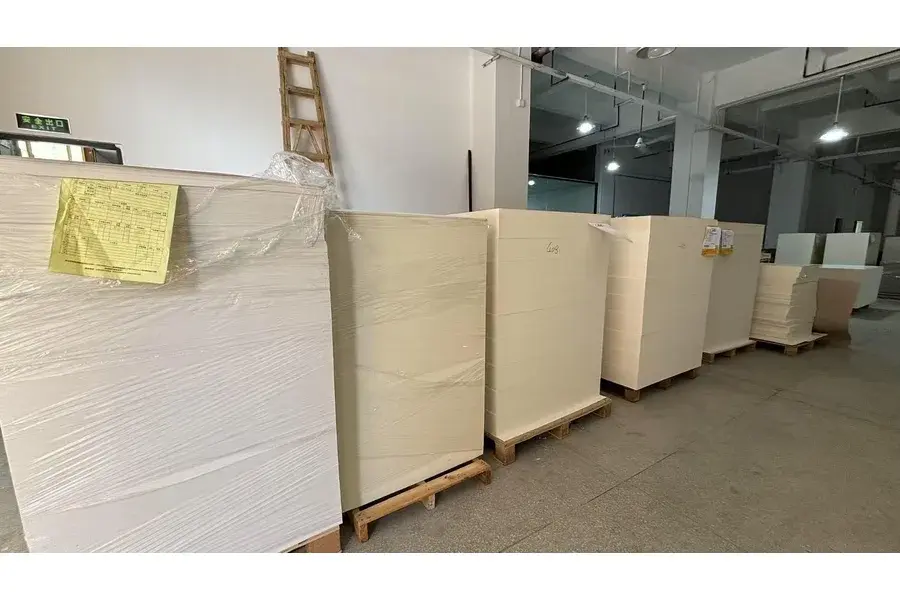
Follow storage guidance for the actual material. Protect unused packaging from uncontrolled moisture, damage and contamination; do not assume one humidity range suits every paper, adhesive and finished construction.
Handling
Consider how cartons are stacked, moved and opened for use. Excessive bending or poor support can affect folds and finished appearance before the pack reaches the packing line. Keep different sizes and artwork versions identifiable.
Before use
Inspect samples before use after a storage change or extended holding period. Check appearance, creases, adhesive areas, closure and fit with the product. Record any issues and ask the supplier how to assess the affected stock instead of assuming it will behave like newly received packaging.
Related specification support
Packout & Shipping Planning
Connect packaging production with the way the order will be packed and delivered.
Describe the receiving and packing environment
Packaging may move from a transport carton into a different storage or packing environment. Keep the material covered and follow any agreed storage instructions; inspect the packaging before use if conditions or appearance have changed.
Storage, handling and pre-use checks
| Check | What to do | Why it matters |
|---|---|---|
| Storage | Describe moisture, temperature and stacking. | Avoid assuming one condition suits every material. |
| Handling | Keep identification and protection with the goods. | Separate damaged or affected items for review. |
| Before use | Inspect shape, surface and closure behaviour. | Record observations against the received batch. |
Record the actual product, material or file version used for the comparison. Identify what remains undecided and which sample or document can resolve it.
Discuss paper packaging storage review
Describe the product, proposed packaging and specifications, then include the sample or file relevant to the storage question.
Storing Paper Packaging FAQ
No single humidity limit should be assumed for every paper, adhesive and finished construction. Request storage information for the actual material and use, then agree the applicable conditions.
After extended storage or changed conditions, inspect shape, surface, creases, adhesive areas, closure and product fit. Record issues against the received batch and ask the supplier how affected stock should be assessed.
Keep it protected and clearly identified by size and artwork version. Plan stacking and movement to avoid poor support or excessive bending, and separate damaged or affected items for review.