
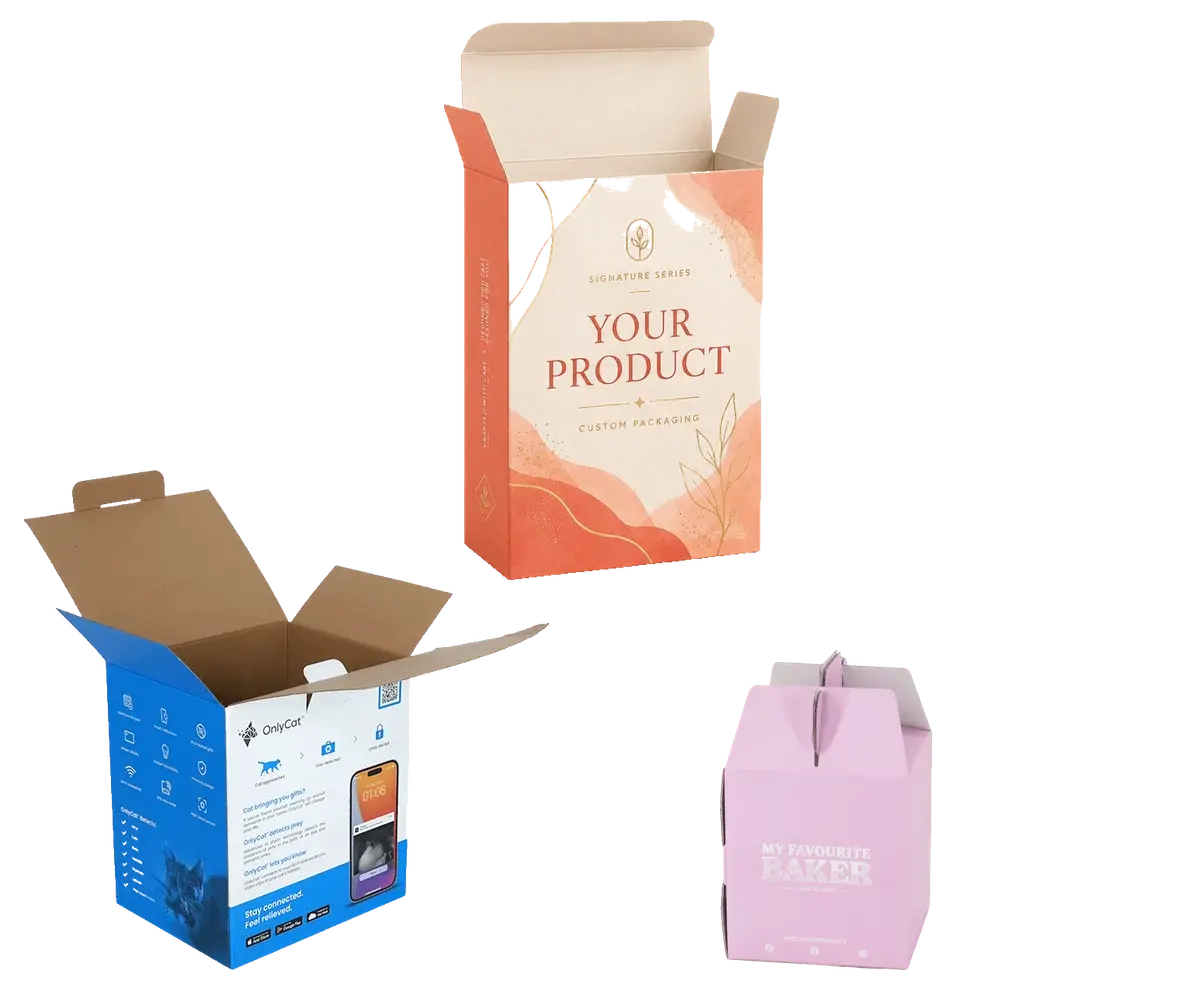
Custom Folding Cartons
Printed paperboard cartons for retail display and efficient packing. Compare openings, bases and inside space to find the right fit.
- Free Design & 3D Mockups
- Custom sizes, paperboard and printing
- Standard MOQ: 500 pcs per style, size & artwork
Start with what goes inside
Match the board, closures, printed panels and delivery format to your product dimensions and weight.
Tell us how you pack the product and whether you need inserts or an outer shipping box.
Tuck, locking-base and presentation cartons
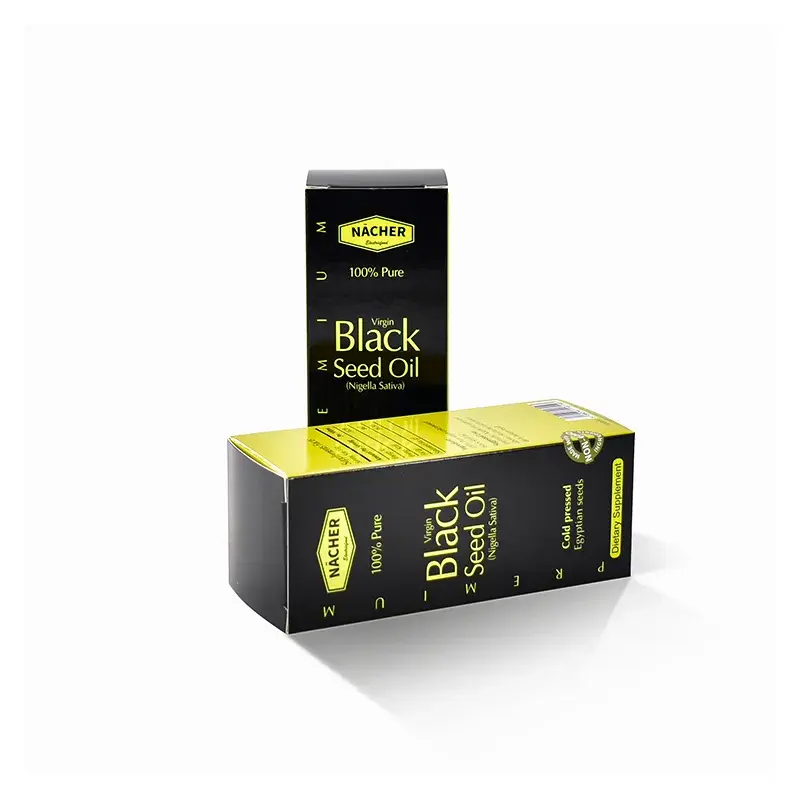
Custom Straight Tuck End Boxes
Tuck flaps at both ends open in the same direction. Confirm the front panel and glue seam.
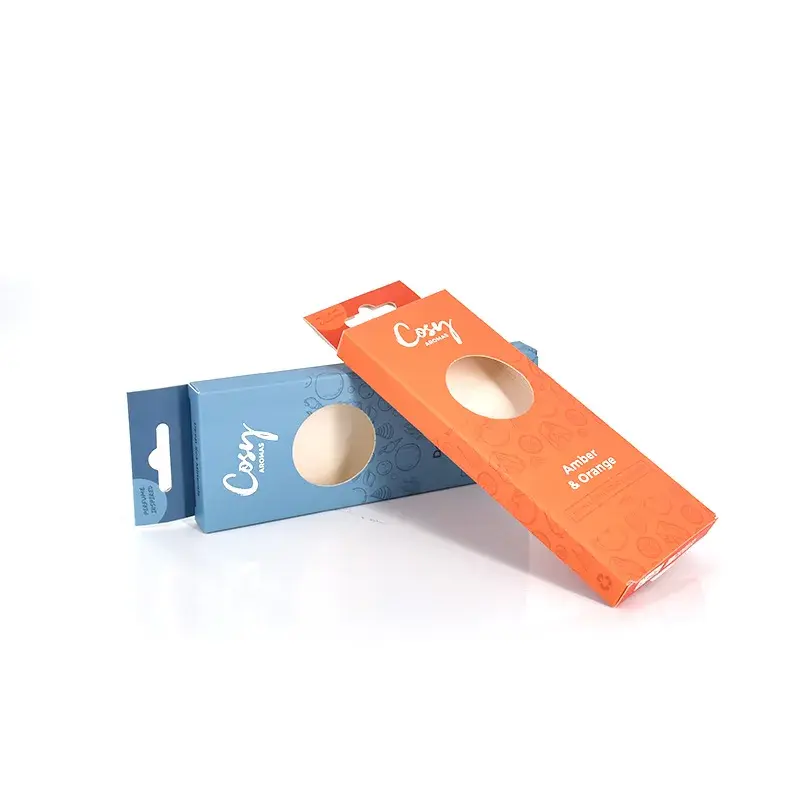
Custom Reverse Tuck End Boxes
Tuck flaps open in opposite directions. Check panel orientation on a folded sample.
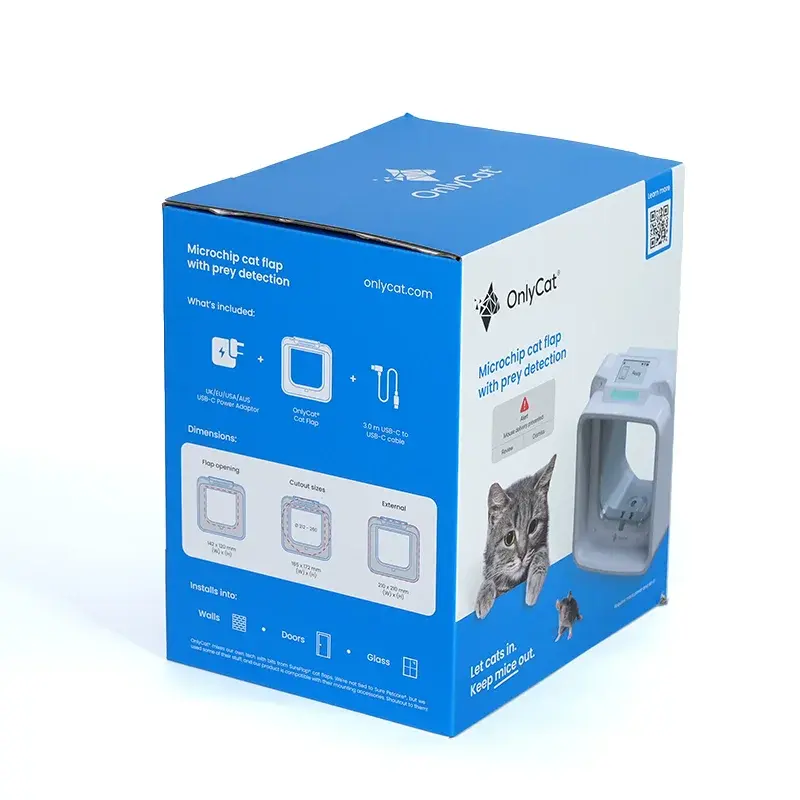
Custom Auto Lock Bottom Boxes
A pre-glued base forms as the carton opens. Check base engagement, product weight and packing sequence.
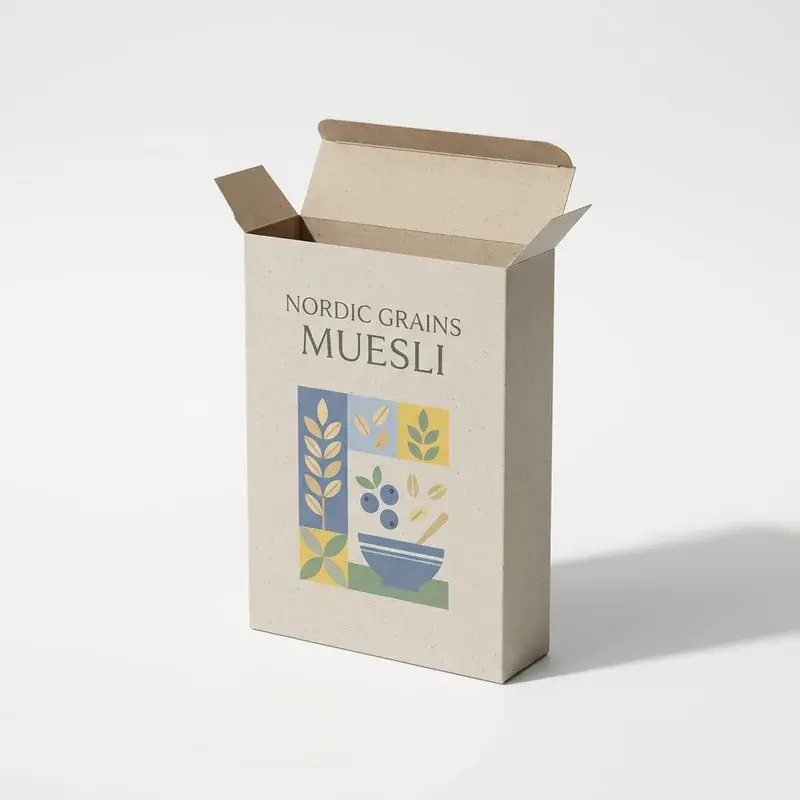
Custom Snap Lock Bottom Boxes
Interlocking bottom flaps are folded by hand. Check assembly order and support beneath the product.
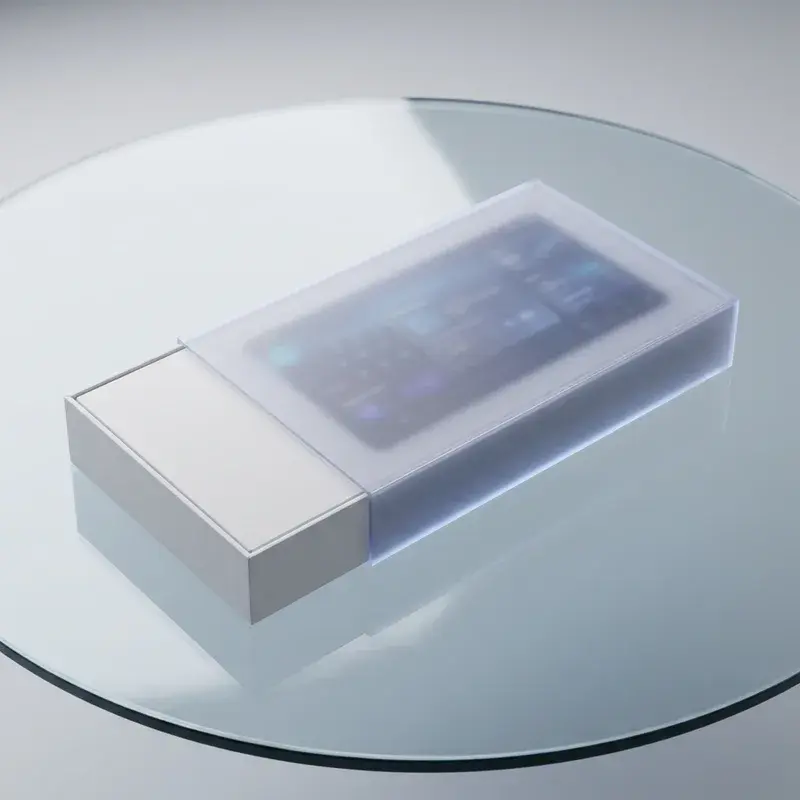
Custom Sleeve Boxes
A sleeve fits over a product or inner pack. Confirm coverage, sliding resistance and retention.
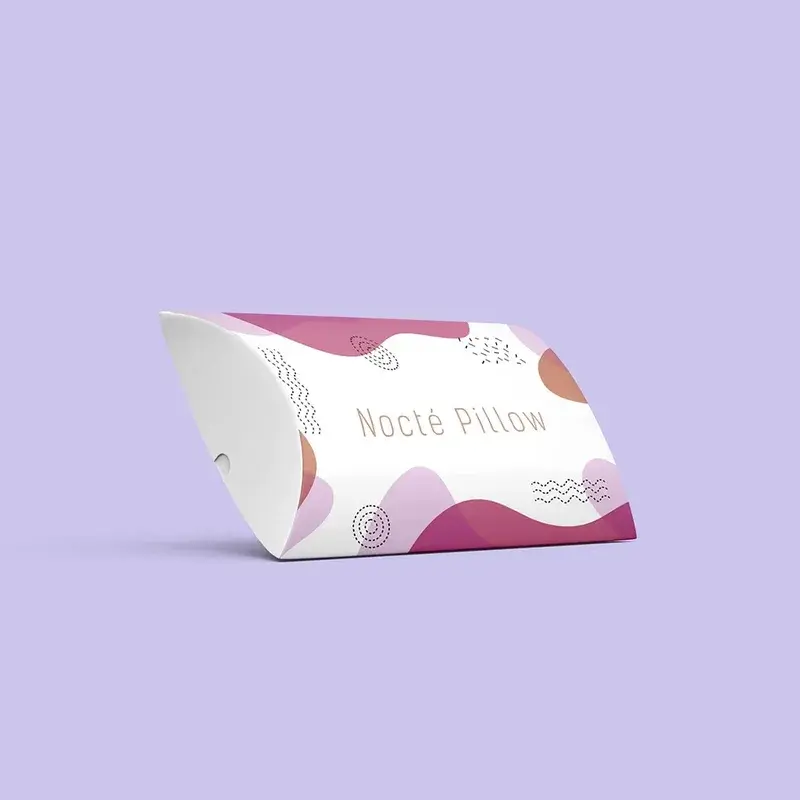
Custom Pillow Boxes
Curved end folds form a rounded cavity. Check usable space with the actual contents.
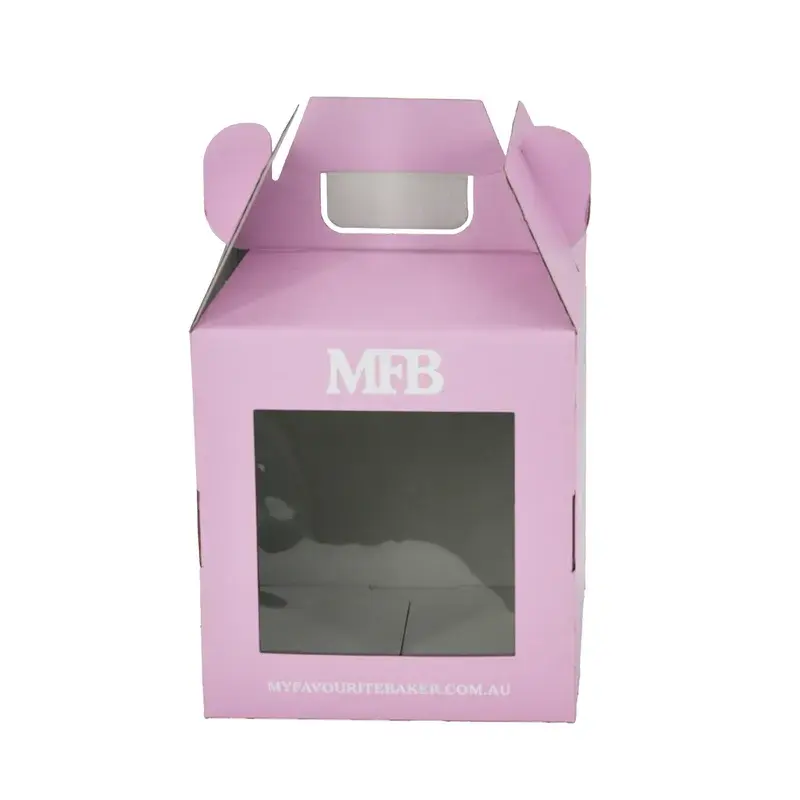
Custom Gable Boxes
An integrated handle combines carrying and closure. Confirm loaded weight and access.
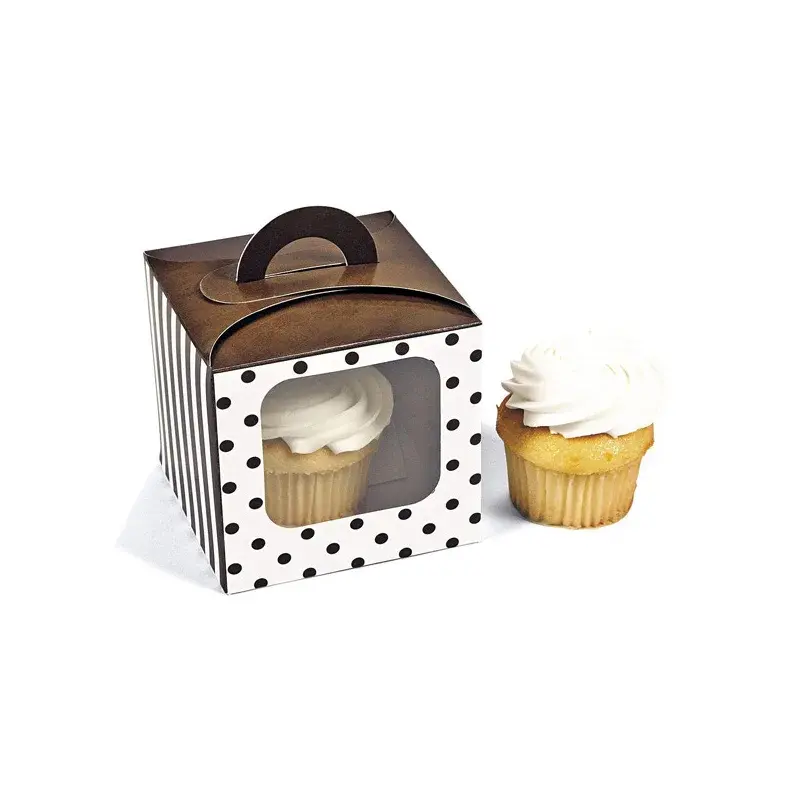
Custom Cake Boxes
A folding box accommodates the cake board and finished height. Check loading, decoration clearance and any contact layer.
Compare carton structures
| Structure | Why choose it | What to check |
|---|---|---|
| Custom Straight Tuck End Boxes | Keep both ends opening in the same direction, with a matching front panel and tuck layout. | Check the front, top and bottom on a folded printed sample. Consider reverse tuck if opposite openings suit your packing process. |
| Custom Reverse Tuck End Boxes | Choose opposing top and bottom openings when they suit the filling sequence and panel layout. | Pack the actual product and close both ends. Compare with a straight tuck sample before choosing from a flat drawing. |
| Custom Auto Lock Bottom Boxes | A pre-glued base can reduce folding steps during manual packing. | Time a packing trial and check the loaded base. Compare snap-lock if manual folding is acceptable. |
| Custom Snap Lock Bottom Boxes | Interlocking bottom panels suit manual base assembly. | Ask your packer to assemble several cartons and check the loaded base. Compare auto-lock if folding slows packing. |
| Custom Sleeve Boxes | A sleeve adds branding around an inner tray, box or appropriately supported product. | Test insertion and removal in the intended orientation. A belly band covers less of the item; a drawer box provides a defined inner tray and outer case. |
| Custom Pillow Boxes | A curved shape for small items that fit the central space. | Close both ends around the contents and check pressure marks. Compare a rectangular carton when a rigid item needs consistent corner clearance. |
| Custom Gable Boxes | Combine a carrying handle and top closure in one paperboard carton. | Lift the filled sample as a customer would, then inspect the handle slots and base. Review a separate shopping bag if the contents make the handle awkward. |
| Custom Cake Boxes | Size the box around the cake board and the tallest decoration, including handling clearance. | Load a representative board, close the lid and check removal without touching decorations. Review contact materials separately from the outside print. |
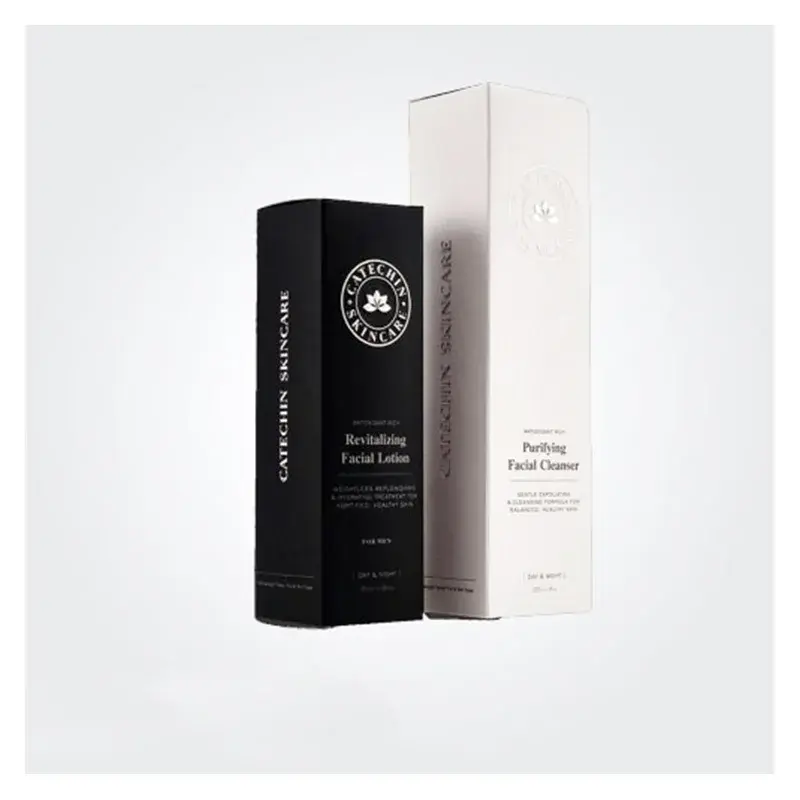
Choose board around the structure
We confirm board grade, thickness or weight, and finish for your order. Send your specification or ask us to review options for your product.
- SBS paperboard: consider for a white surface. Check printing, folds and finished appearance on the chosen grade.
- Kraft paper: check colour, surface, artwork and carton stiffness together.
- Specialty papers: check the surface for folding, gluing and printing.
Windows, inserts and finishing
Choose windows, inserts and finishes to suit how your carton opens and presents the product.
- Windows: agree the opening position, remaining board support and whether a film is required. A window is an option within the carton, not a separate product family.
- Inserts: define product support, removal clearance and the space available inside the carton.
- Print and finishing: confirm decorated panels, fold lines, glue areas and surface compatibility before approving files.
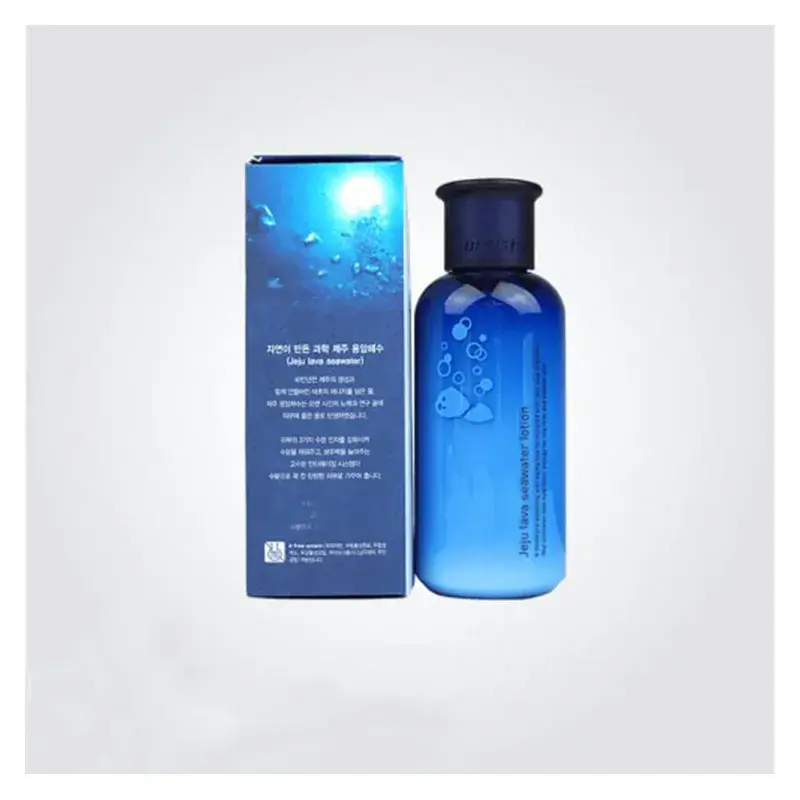
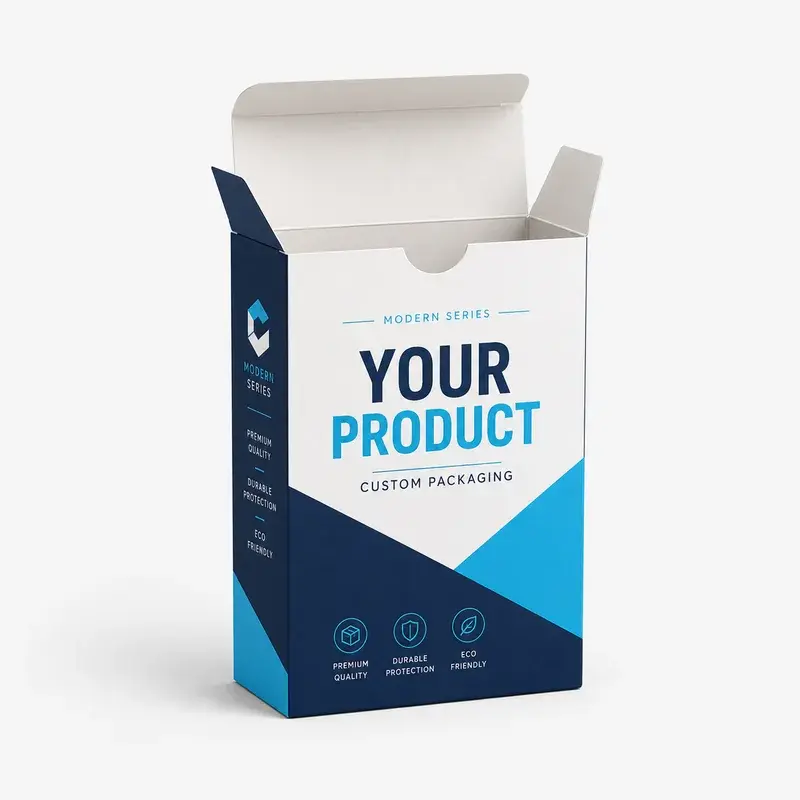
Define the pack. Check a sample
Specify the board, finished internal dimensions, tuck and base design, printed panels, glue seam and flat or assembled delivery.
Use a structural sample to check product fit, closing and packing. A printed sample checks appearance; the production reference records the agreed specification.
Sample type, fees and timing depend on the project. Confirm artwork, samples and order details before scheduling production.
Industries using folding cartons
Beauty & Cosmetics
Coordinate cartons, inserts and printed details across a cosmetics collection.
Skincare
Plan secondary packaging around bottles, jars, tubes and sets.
Bakery & Desserts
Match paper boxes to cake boards, finished heights and intended contact.
Opening, base and usable space
Share the filling direction, product dimensions and any window or insert needs. Check the closures before choosing board and artwork orientation.
Check materials against the contents, handling and assembled sample. Different structures may need different specifications.
Tell us about your carton
Send product details, artwork, finish, quantity per size and design, and destination. Include sample needs, open questions and required documents.
Custom Folding Cartons FAQ
Consider the contents, packed weight and packing steps. Compare tuck, hand-folded snap-lock and pre-glued auto-lock bases with representative samples.
State the dimension order and whether sizes are internal or external. Include product and insert dimensions to check usable space in an assembled sample.
Retail presentation and shipping protection are different requirements. Tell us how the packed product travels so inserts, dividers or a separate outer shipper can be considered.
A structural sample helps check dimensions, tuck direction and product fit. A printed sample addresses artwork and appearance; a pre-production sample establishes the agreed production reference. Sample type, fees, shipping and timing are confirmed for your project.
The standard MOQ is 500 pcs per style, size and artwork. Special materials, constructions or multi-component sets may require more. Combined orders are assessed individually; the quotation confirms the applicable quantities.