
Construction
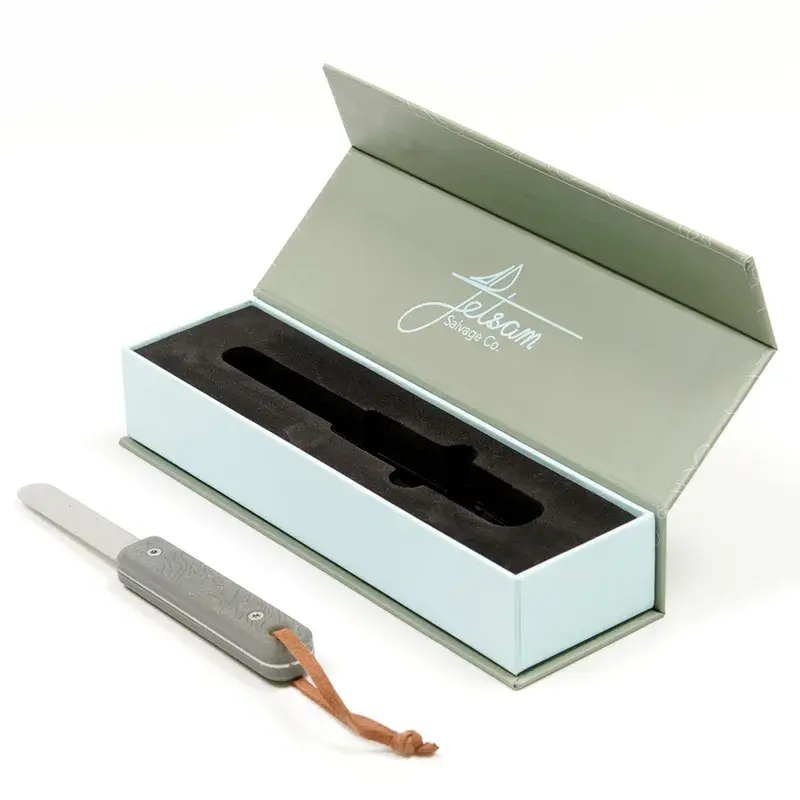
Check a folding carton's creases, tabs, seams and assembly sequence. A rigid box has a constructed base and often a separate or hinged cover. Compare access, lid movement and product support to decide which presentation suits the item.
Packing
A more elaborate opening can also introduce extra parts and packing work. Ask for flat or assembled delivery dimensions, units per shipping carton and insert costs for both options. A unit price alone does not show the effect of assembly and shipment volume.
Decision
Use one comparison brief: the same contents, quantities, artwork scope and destination. Request a structural sample of each option and record how long packing takes, how the contents are removed and which parts must be stored separately.
Related specification support
Packaging Structural Design
Develop a packaging construction around the actual product and its use.
Compare the same product in both formats
Consider a small gift item that can be packed in either a folding carton or a wrapped rigid box. Hold the product quantity and insert requirement constant. Compare the complete presentation, assembly work and delivery volume, rather than comparing only two empty box prices.
Compare structure, packing and use
| Check | What to do | Why it matters |
|---|---|---|
| Presentation | Compare the assembled opening and surface. | A rigid core and a folding carton create different experiences. |
| Assembly | Identify who erects or fills the pack. | Flat delivery can transfer work to the packing location. |
| Delivery | Use packed carton dimensions. | Unit price does not describe shipping volume. |
Record the actual product, material or file version used for the comparison. Identify what remains undecided and which sample or document can resolve it.
Discuss rigid and folding carton selection
Share the product, proposed box formats and specifications, with a sample or file showing the presentation and packing decision.
Rigid Boxes vs Folding Cartons FAQ
Start with the use: retail shelf, gift presentation or delivery. Compare samples where both are viable, then document the chosen structure and what made it suitable.
Compare assembly work, inserts, delivery dimensions and units per shipping carton. Use the same contents, artwork scope, quantity and destination so the quotations cover equivalent requirements.
Request a structural sample of each viable format with the intended contents. Record packing time, product access and any parts stored separately, then compare the complete presentation and delivery volume.