
Specialty Papers
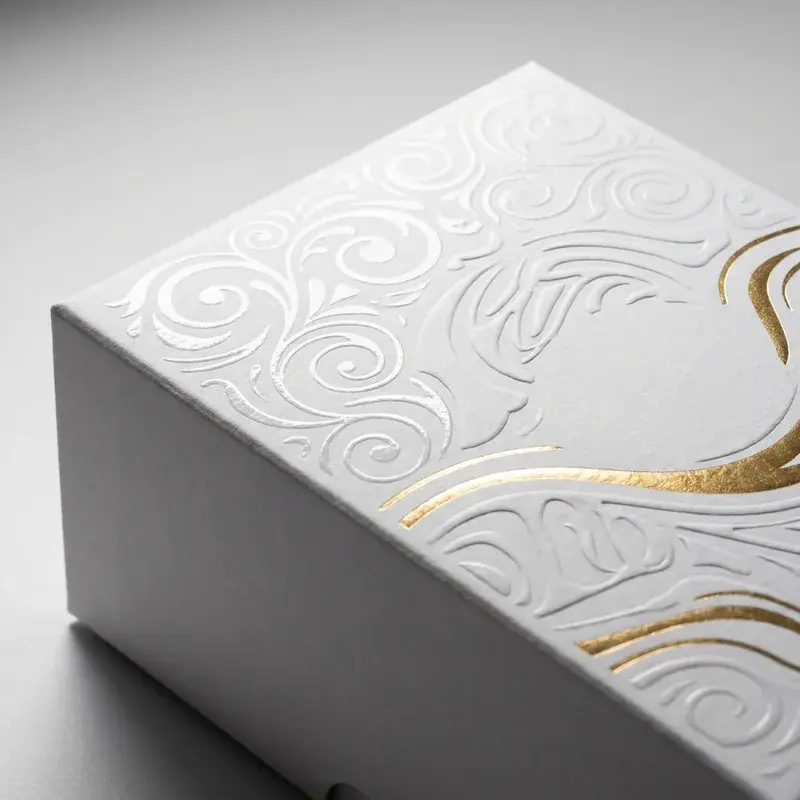
Specialty papers introduce selected textures, surfaces and finishes to presentation packaging.
| Material decision | Specification to confirm |
|---|---|
Paper reference and printed detail | Choose the actual paper reference and review it with the proposed printing or foil area. |
Wrapping and fold trials | Test wrapping and folded details on the intended box or bag. |
Finishing compatibility | A surface name does not establish every finishing process as compatible. |
Material requirements for the quotation
Identify the actual product, intended use and any existing pack or specification.
List quantities by version and the delivery destination. Record which choices still need a recommendation.
Standard MOQ: 500 pieces per style, size and artwork design. Special specifications and combined orders are assessed individually. Material and performance requirements are confirmed for the specific application.
Packaging options for this application
Custom Folding Cartons
Printed paperboard structures for retail presentation and efficient packing.
Custom Rigid Boxes
Rigid presentation packaging with specified opening and product placement.
Custom Paper Tubes
Round and shaped paper packaging with product-specific bodies and closures.
Custom Paper Bags
Printed carrying and retail bags sized around the complete purchase.
Custom Packaging Cards & Tags
Printed brand, message and information pieces designed to fit the pack.
Decorative surface versus standard print surface
Review the exact paper reference with the proposed print or foil. Texture and finish affect the sample discussion; do not assume the artwork and finishing can transfer unchanged from another substrate.
Material specification and supporting documents
Request the actual material reference and specification. Check only the processes used in the chosen pack, such as printing, gluing, folding, wrapping or forming. Discuss the relevant customization.
Approve fit and appearance on the complete construction. Review affected parts after a grade, layer, coating or attachment changes. Composition, contact and performance documents must cover the specified material or item and use conditions. Ask about documentation.
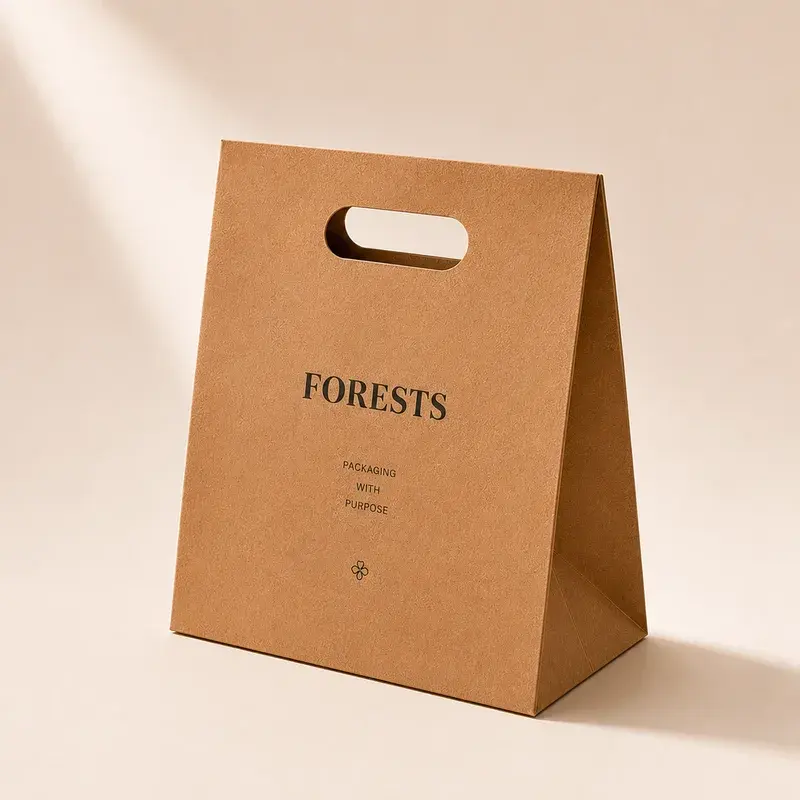
Specialty paper on finished surfaces
Texture, colour and surface treatment can make a specialty paper useful for a specific presentation. These features also change how fine print and surface effects appear.
Identify the exact paper reference and intended processes. Review grain, fold placement, adhesive contact and any foil or embossing detail before treating the stock as interchangeable.
Sample review: wrapping and fold trials
Approve the effect on the actual paper, including folds and wrapped corners. A colour swatch alone cannot show the final converting result.
Discuss Specialty Papers
Tell us where specialty papers will be used in the package, the contents and the appearance or performance you need to review. Include the proposed structure or sample reference.
Specialty Papers FAQ
Choose the actual paper reference and review it with the proposed printing or foil area.
Test wrapping and folded details on the intended box or bag.
No. A surface name does not establish every finishing process as compatible.