
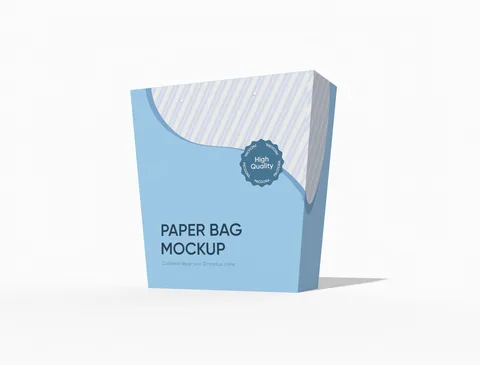
 STYLE E61333
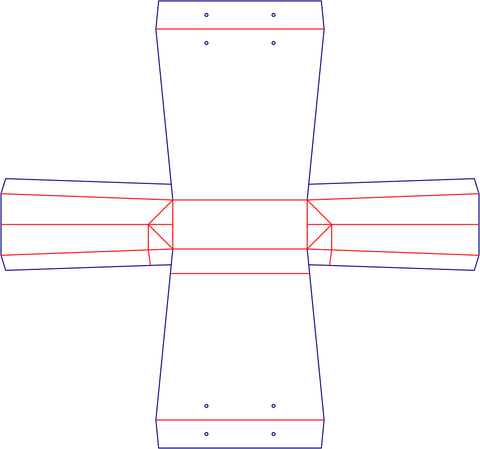 Dieline
Custom Paper Bags
Paper bag. State width, gusset depth and body height; identify any handles separately.
Explore this structure
STYLE E61333
Dieline
Paper bag. State width, gusset depth and body height; identify any handles separately.
Explore this structure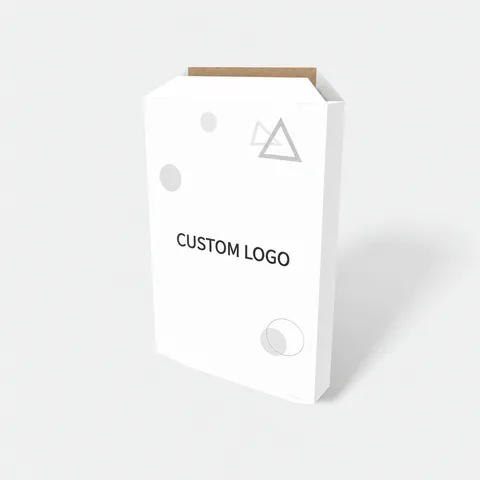 STYLE E61334
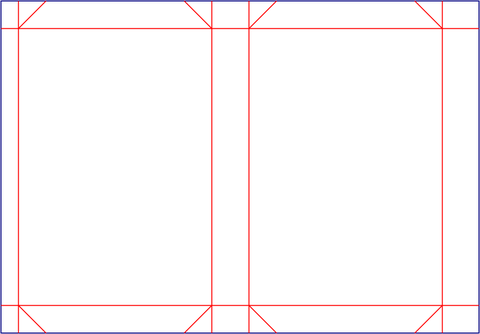 Dieline
Shopping bag with carrying feature. Identify the carrying area separately from the usable product space.
Explore this structure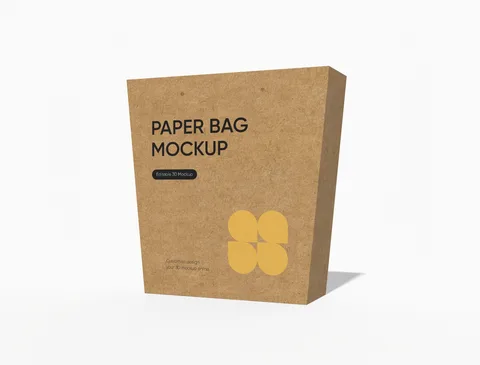 STYLE E61335
 Dieline
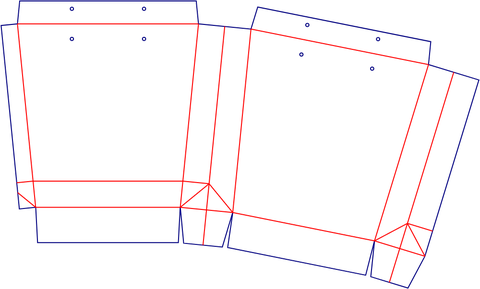
Paper bag. State width, gusset depth and body height; identify any handles separately.
Explore this structure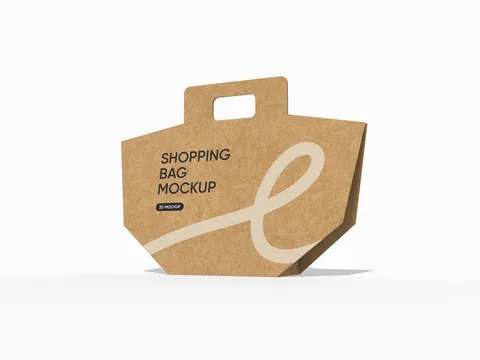 STYLE E61336
 Dieline
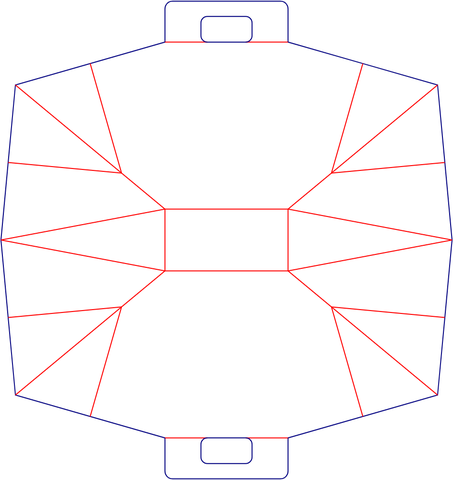
Shopping bag with carrying feature. Identify the carrying area separately from the usable product space.
Explore this structure STYLE E61337
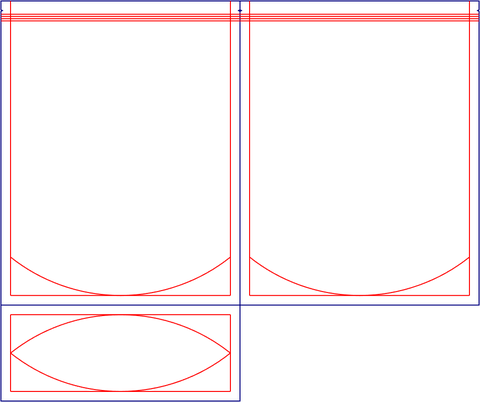 Dieline
Flexible pouch with upright orientation. Keep the artwork oriented for the intended upright viewing position.
Explore this structure STYLE E61338
 Dieline
Flat sealed pouch. Specify the flat width and height, then confirm seal widths, opening and the thickness of the filled contents. This format does not assume a gusset.
Explore this structure STYLE E61339
 Dieline
Coffee bag. Confirm the actual fill, bag expansion, sealing method and whether a valve is part of the brief.
Explore this structure STYLE E61340
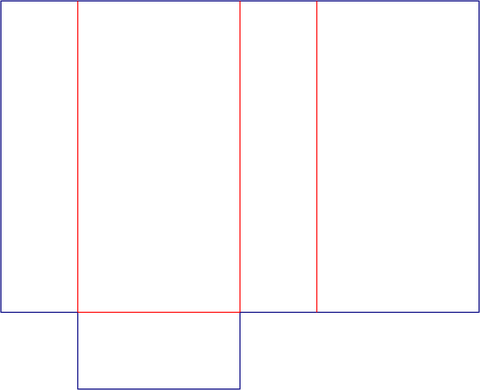 Dieline
Coffee bag. Confirm the actual fill, bag expansion, sealing method and whether a valve is part of the brief.
Explore this structure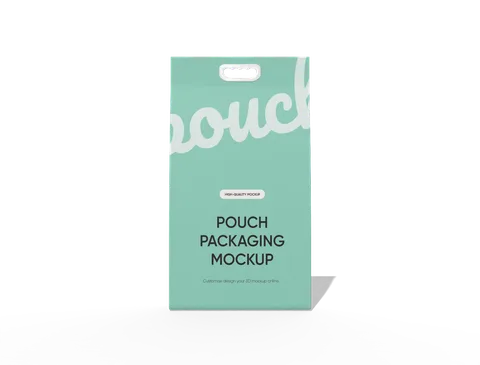 STYLE E61341
 Dieline
Flexible pouch with carrying feature, upright orientation. Identify the carrying area separately from the usable product space.
Explore this structure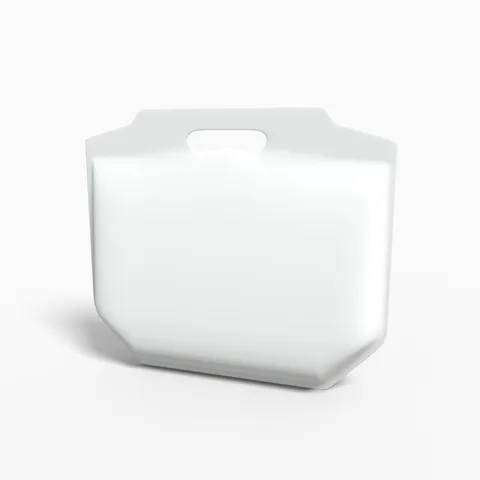 STYLE E61342
 Dieline
Flexible pouch. Provide filled product dimensions or volume, seal layout and any gusset; capacity is confirmed by testing.
Explore this structure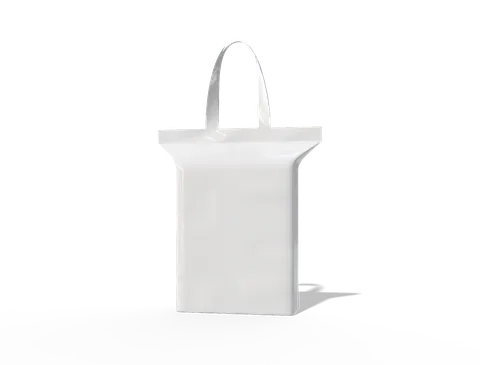 STYLE E61343
 Dieline
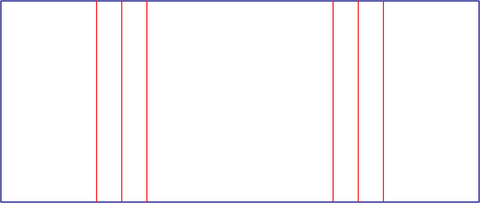
Plastic shopping bag with carrying feature. Identify the carrying area separately from the usable product space.
Explore this structure STYLE E61344
 Dieline
Shopping bag. Include the filled body outline, opening and handle clearance in the project brief.
Explore this structureTry another name or style number, or browse all product types.
Compare the assembled reference with the flat structure.
Review dimensions, visible panels and artwork orientation.
Confirm the production dieline and sample before approval.