
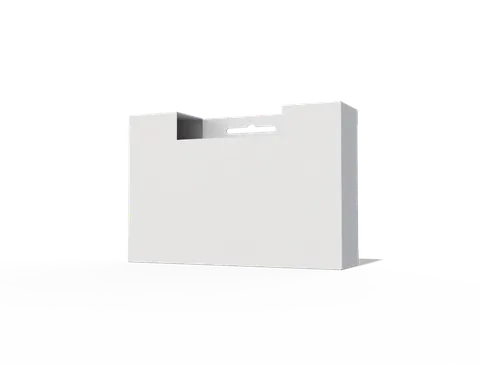
 STYLE E60133
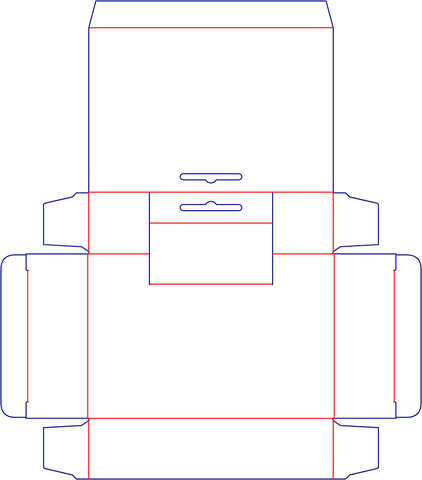 Dieline
Custom Rear-Opening Tuck-End Cartons
Tuck-end carton. Include closure clearance at the top and bottom of the packed product.
Explore this structure
STYLE E60133
Dieline
Tuck-end carton. Include closure clearance at the top and bottom of the packed product.
Explore this structure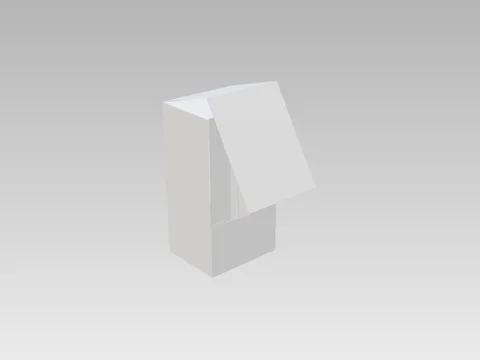 STYLE E60134
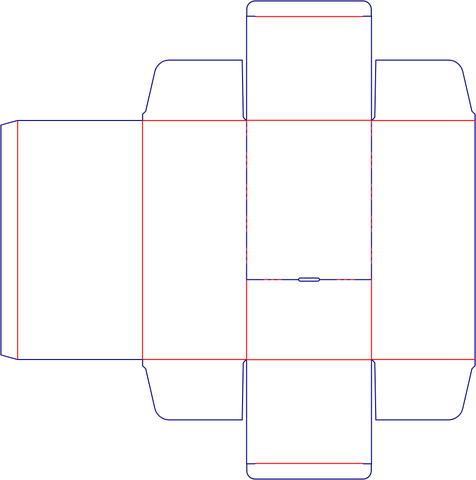 Dieline
Tuck-end carton with tear opening. Confirm the tear-opening path and keep its operating area clear.
Explore this structure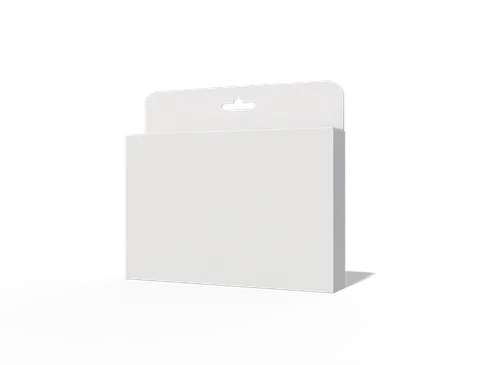 STYLE E60135
 Dieline
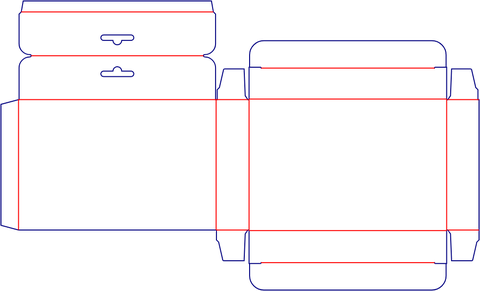
Hanging display carton with rear opening, hanging feature. Orient the rear opening separately from the main display face.
Explore this structure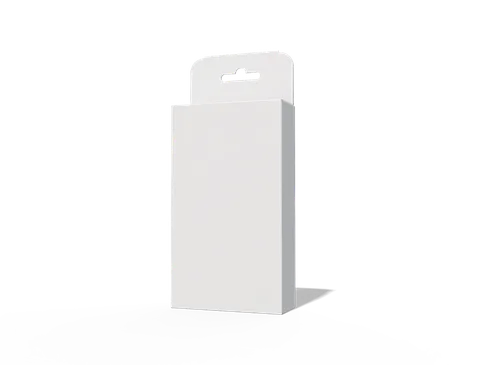 STYLE E60136
 Dieline
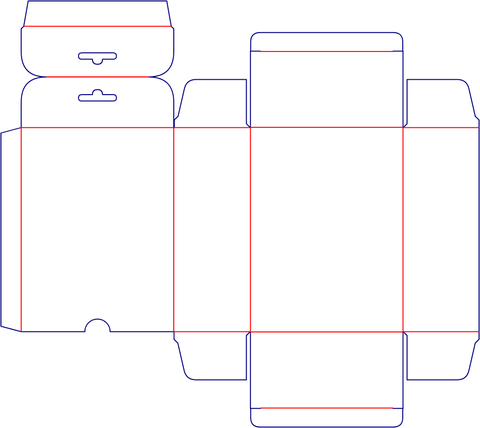
Hanging display carton with hanging feature, interlocking detail. Confirm the attachment opening and keep nearby text clear.
Explore this structure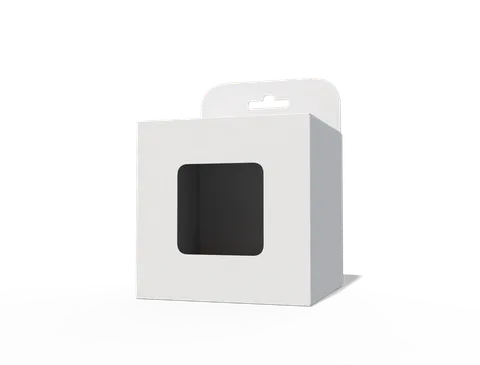 STYLE E60137
 Dieline
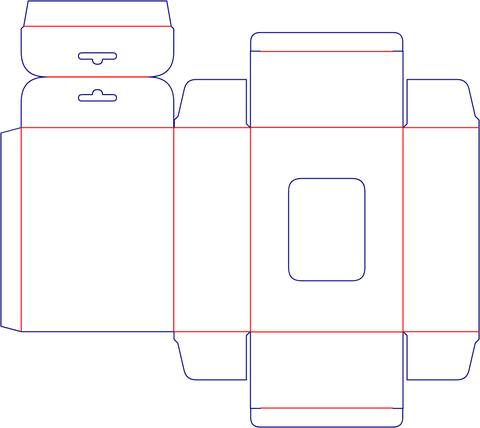
Hanging display carton with display opening, hanging feature. Check the product view through the opening before positioning the logo.
Explore this structure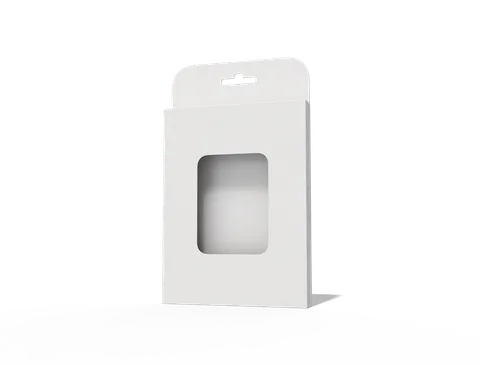 STYLE E60138
 Dieline
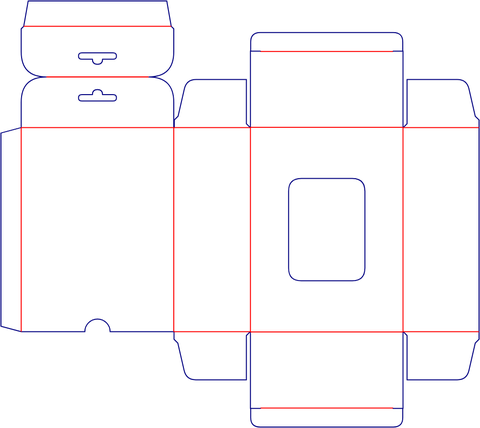
Hanging display carton with display opening, hanging feature. Check the product view through the opening before positioning the logo.
Explore this structure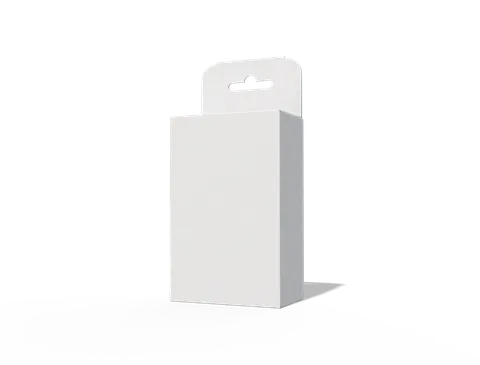 STYLE E60139
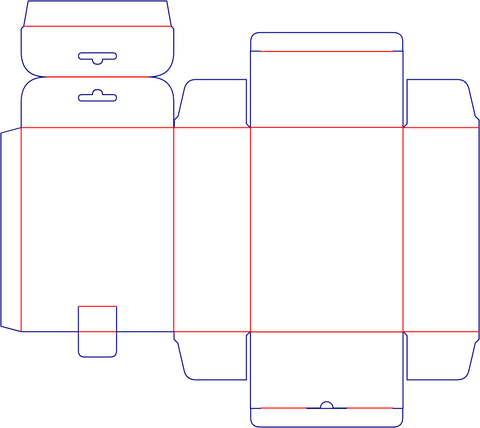 Dieline
Hanging display carton with hanging feature. Confirm the attachment opening and keep nearby text clear.
Explore this structure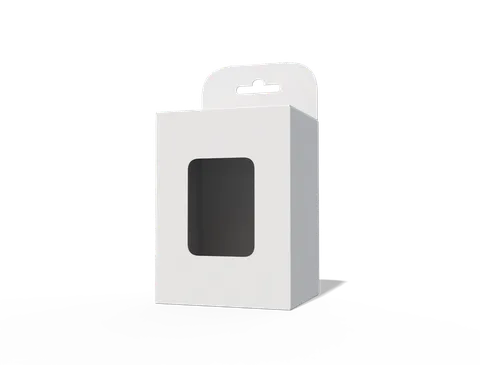 STYLE E60140
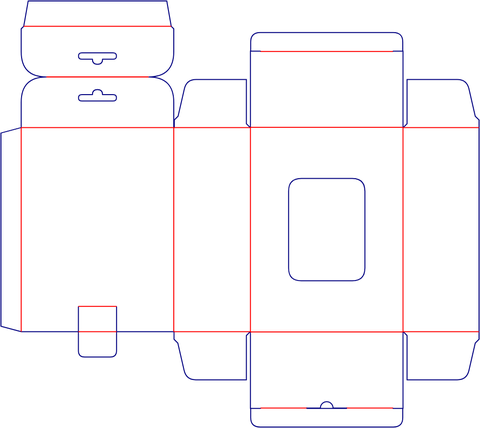 Dieline
Hanging display carton with display opening, hanging feature. Check the product view through the opening before positioning the logo.
Explore this structure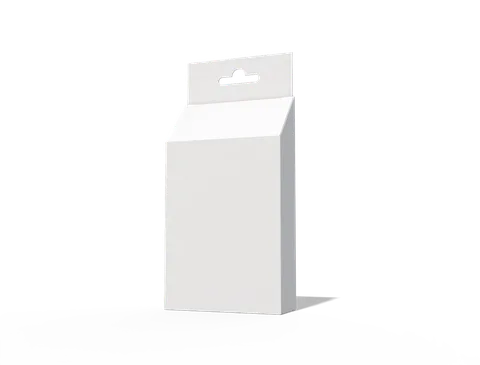 STYLE E60141
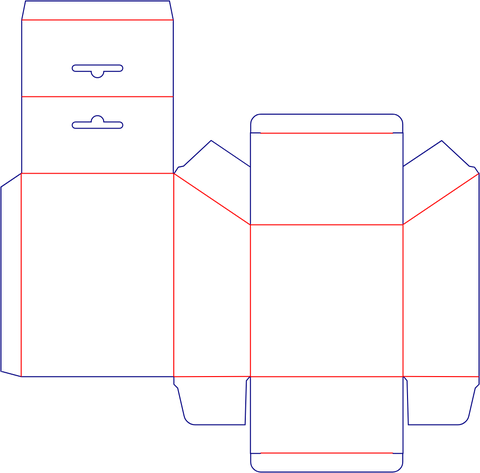 Dieline
Tuck-end carton with tapered outline. Measure the wider and narrower edges rather than relying on one nominal width.
Explore this structure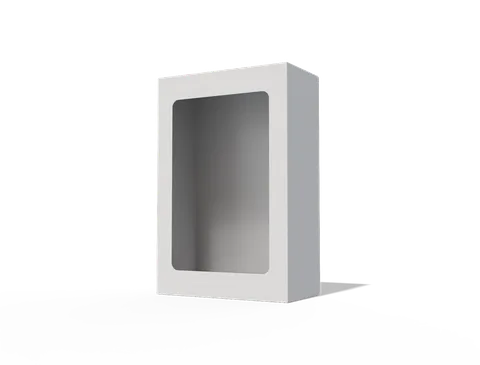 STYLE E60142
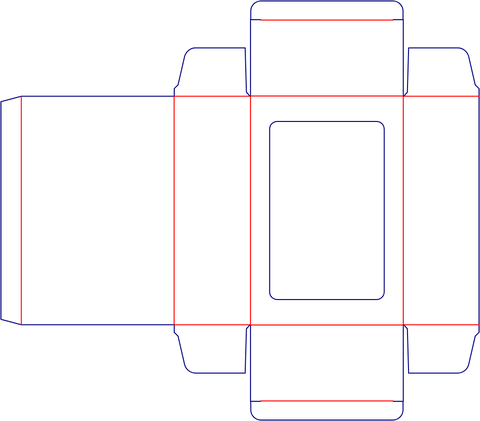 Dieline
Folding carton. Check the full packed outline and the space used by the end closures.
Explore this structure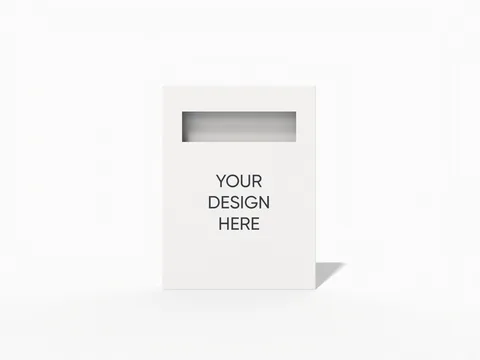 STYLE E60143
 Dieline
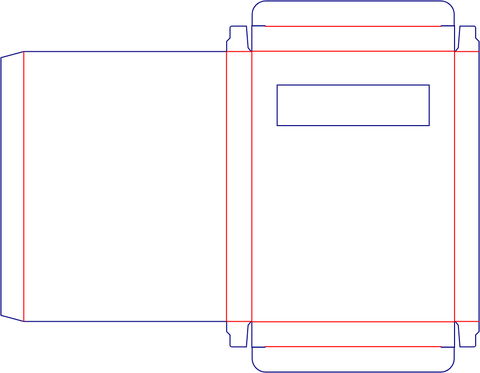
Window carton with display opening. Check the product view through the opening before positioning the logo.
Explore this structure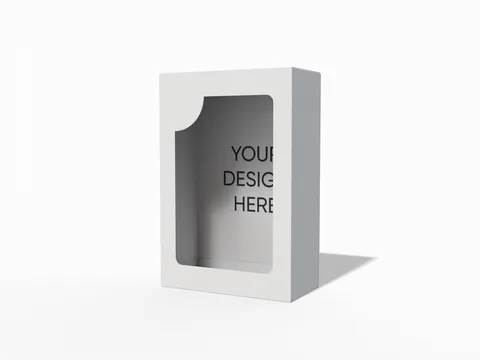 STYLE E60144
 Dieline
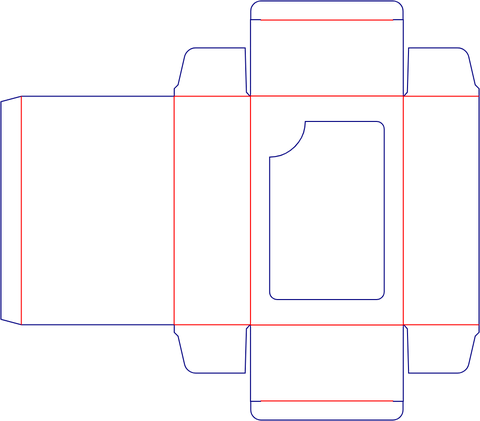
Folding carton. Check the full packed outline and the space used by the end closures.
Explore this structureTry another name or style number, or browse all product types.
Compare the assembled reference with the flat structure.
Review dimensions, visible panels and artwork orientation.
Confirm the production dieline and sample before approval.