
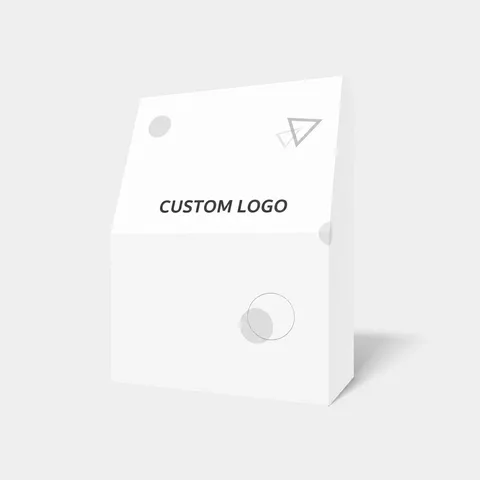
 STYLE E60253
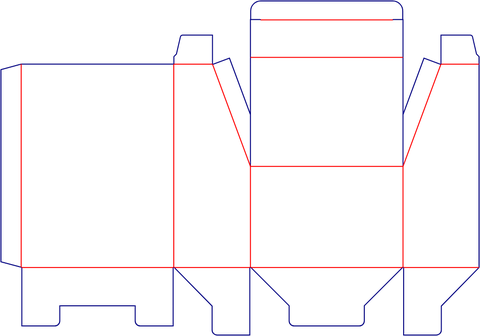 Dieline
Custom Tuck-End Cartons
Tuck-end carton with tapered outline. Measure the wider and narrower edges rather than relying on one nominal width.
Explore this structure
STYLE E60253
Dieline
Tuck-end carton with tapered outline. Measure the wider and narrower edges rather than relying on one nominal width.
Explore this structure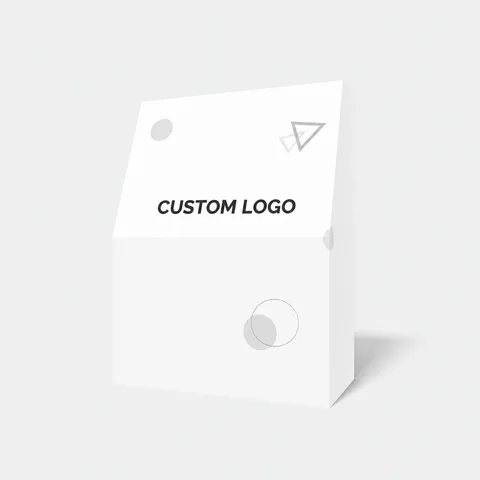 STYLE E60254
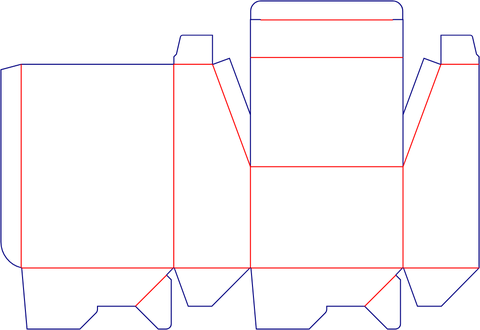 Dieline
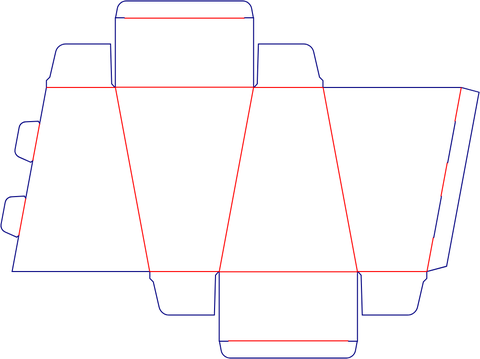
Tuck-end carton with tapered outline. Measure the wider and narrower edges rather than relying on one nominal width.
Explore this structure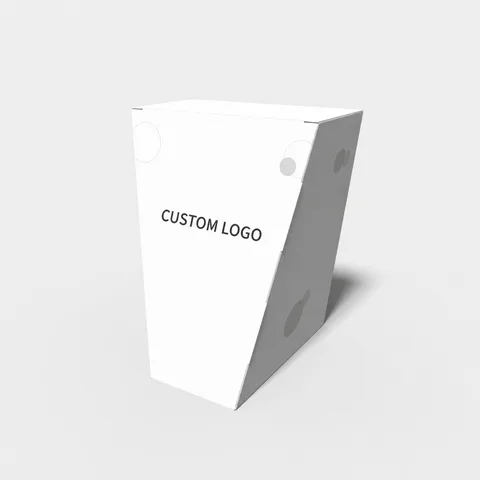 STYLE E60255
 Dieline
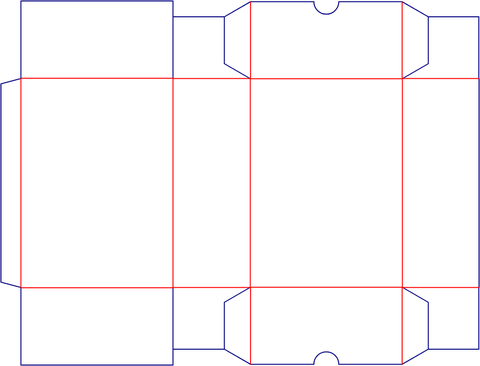
Tuck-end carton. Include closure clearance at the top and bottom of the packed product.
Explore this structure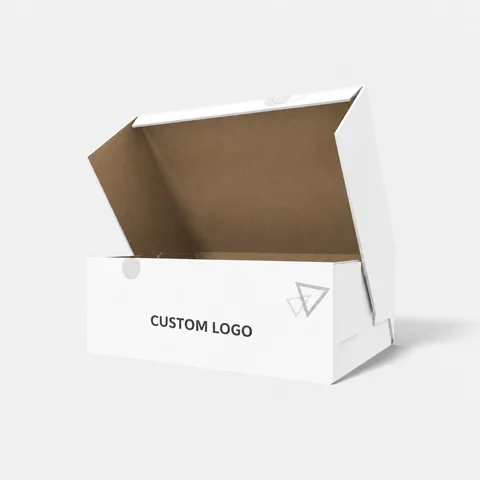 STYLE E60256
 Dieline
Tuck-end carton. Include closure clearance at the top and bottom of the packed product.
Explore this structure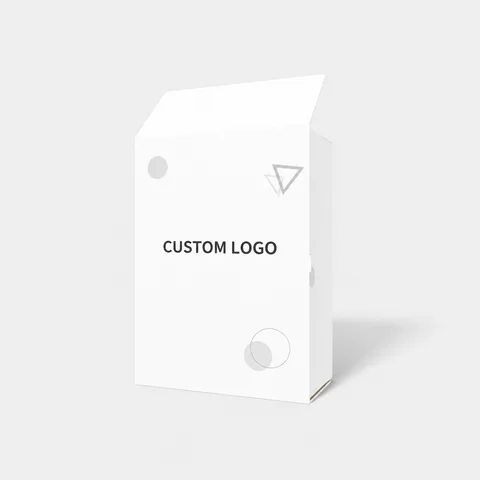 STYLE E60257
 Dieline
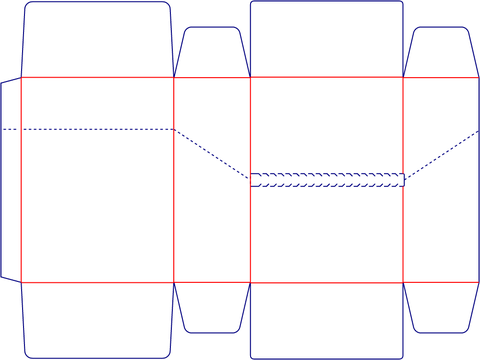
Tuck-end carton. Include closure clearance at the top and bottom of the packed product.
Explore this structure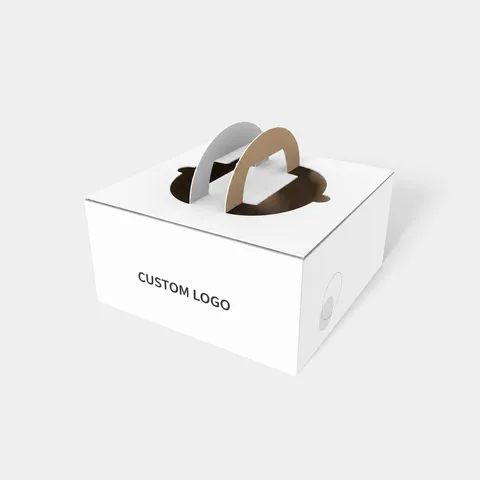 STYLE E60258
 Dieline
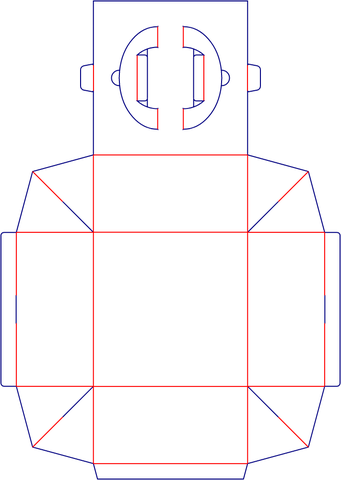
Handled folding carton. Specify usable body cavity and full height including the raised handle; review the packed sample for carrying.
Explore this structure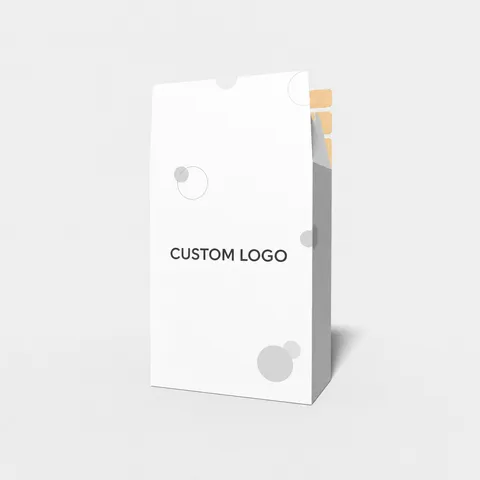 STYLE E60259
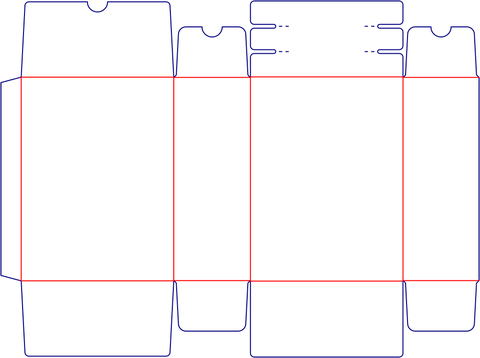 Dieline
Tuck-end carton with tear line. Keep required information away from the tear line and check which panels remain after opening.
Explore this structure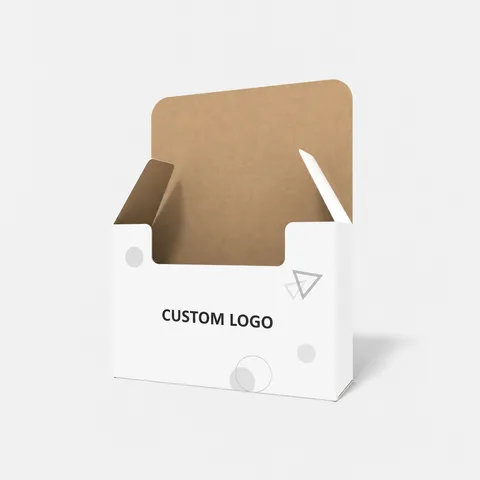 STYLE E60260
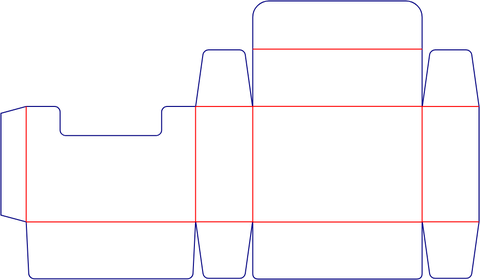 Dieline
Tuck-end carton. Include closure clearance at the top and bottom of the packed product.
Explore this structure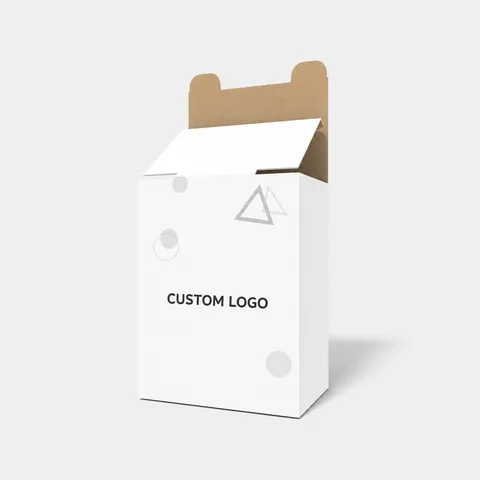 STYLE E60261
 Dieline
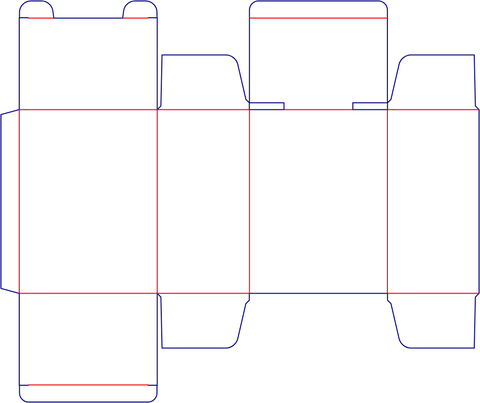
Tuck-end carton. Include closure clearance at the top and bottom of the packed product.
Explore this structure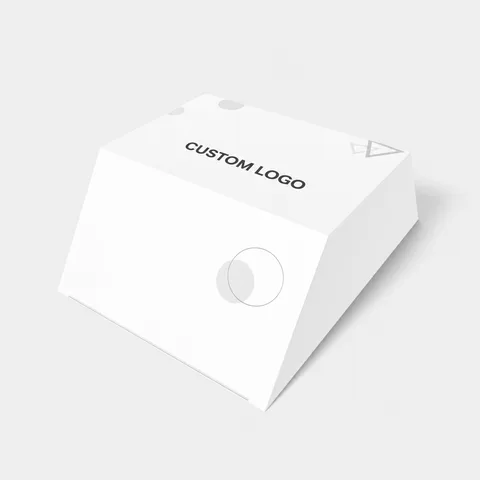 STYLE E60262
 Dieline
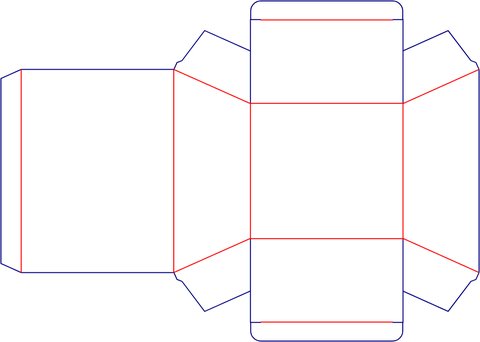
Tuck-end carton with tapered outline. Measure the wider and narrower edges rather than relying on one nominal width.
Explore this structure STYLE E60263
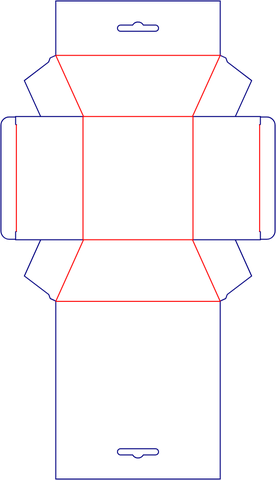 Dieline
Tuck-end carton. Include closure clearance at the top and bottom of the packed product.
Explore this structure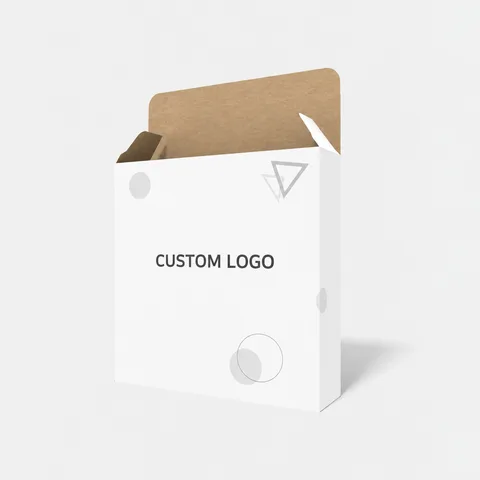 STYLE E60264
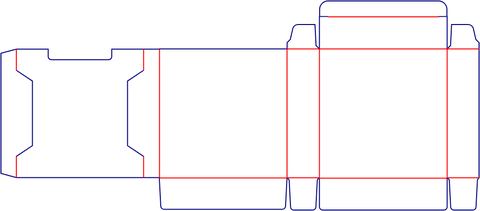 Dieline
Tuck-end carton. Include closure clearance at the top and bottom of the packed product.
Explore this structureTry another name or style number, or browse all product types.
Compare the assembled reference with the flat structure.
Review dimensions, visible panels and artwork orientation.
Confirm the production dieline and sample before approval.