
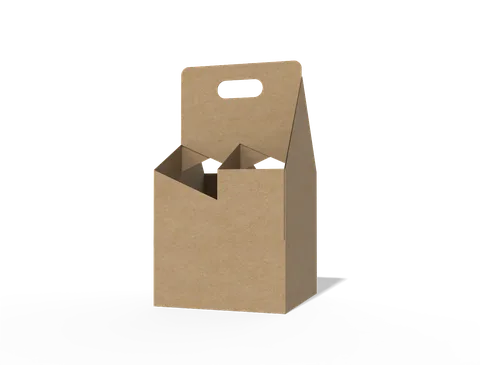
 STYLE E61165
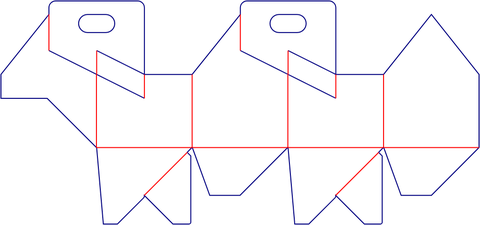 Dieline
Custom Four-Compartment Carry Boxes
Four-compartment carry box. Measure the usable cells or support openings as well as the outer cavity.
Explore this structure
STYLE E61165
Dieline
Four-compartment carry box. Measure the usable cells or support openings as well as the outer cavity.
Explore this structure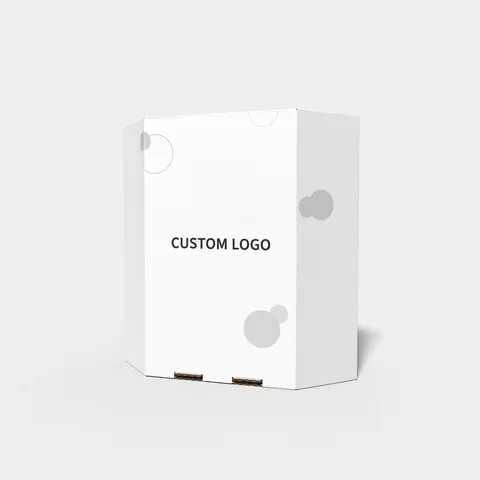 STYLE E61166
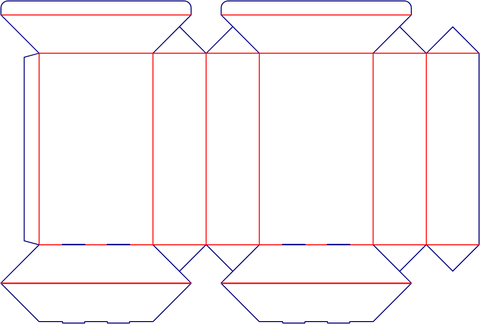 Dieline
Shaped box with diamond or faceted outline. Check the face sequence and the narrower parts of the internal space.
Explore this structure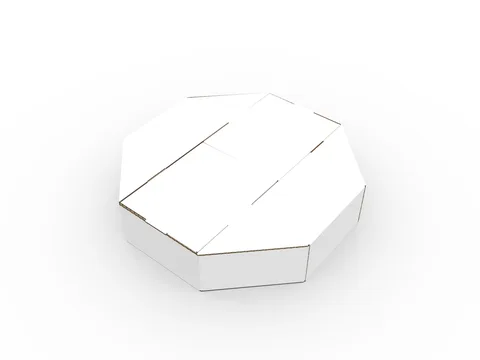 STYLE E61167
 Dieline
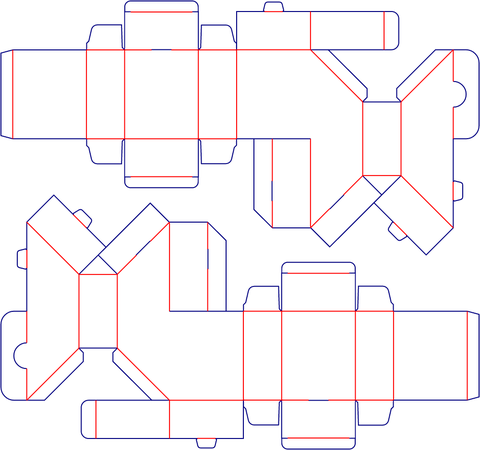
Shaped box. Supply the maximum envelope and a product arrangement; the bounding dimensions do not describe every usable space.
Explore this structure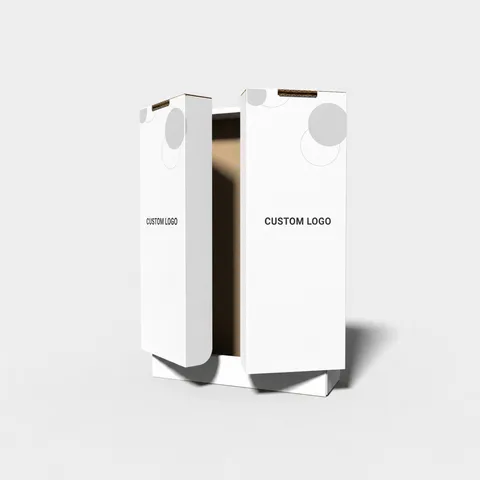 STYLE E61168
 Dieline
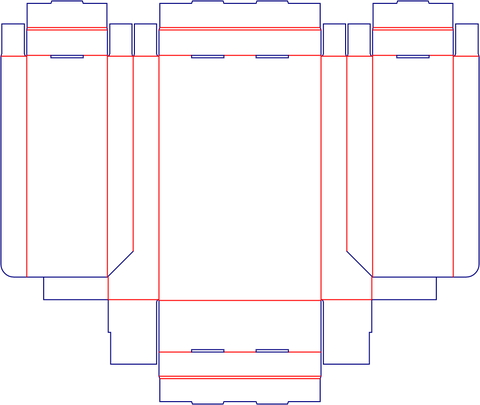
Double-door box. Check the lid sweep, closing tabs and wall thickness around the packed contents.
Explore this structure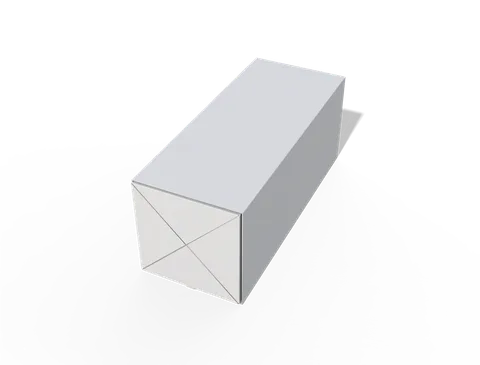 STYLE E61169
 Dieline
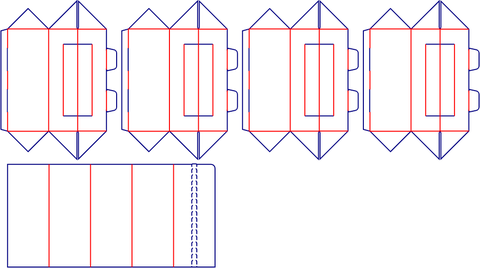
Multi-compartment sleeve box. Measure the usable cells or support openings as well as the outer cavity.
Explore this structure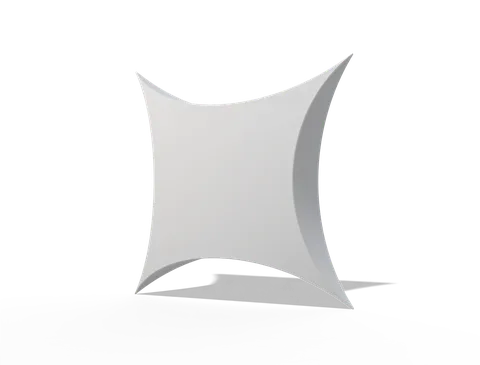 STYLE E61170
 Dieline
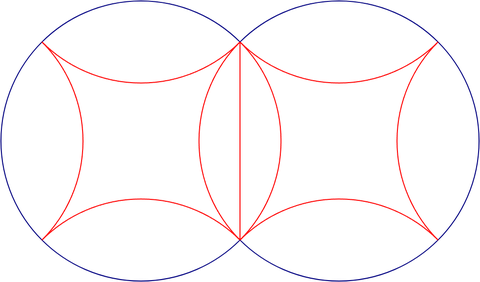
Pillow box with square-format reference. Confirm which face is square and specify its finished dimensions.
Explore this structure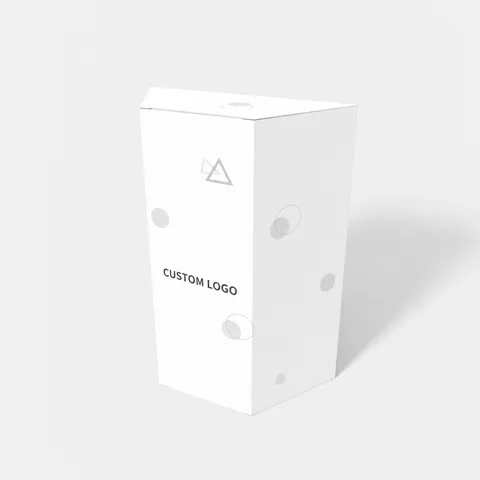 STYLE E61171
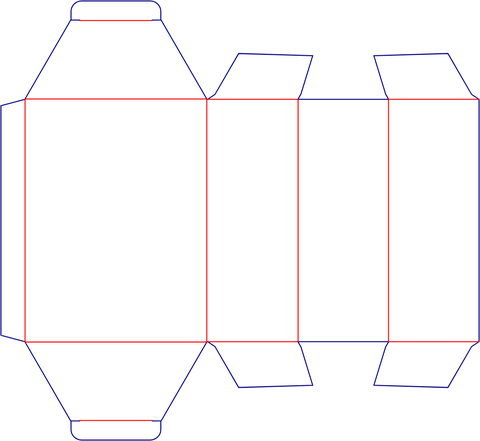 Dieline
Shaped box with tapered outline. Measure the wider and narrower edges rather than relying on one nominal width.
Explore this structure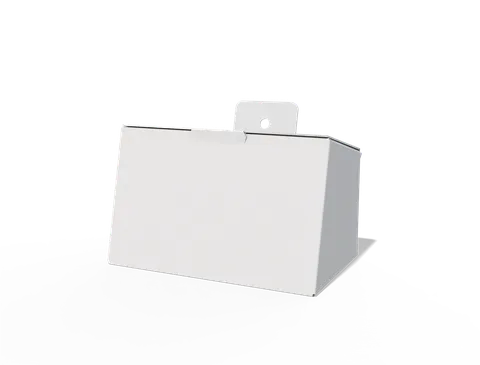 STYLE E61172
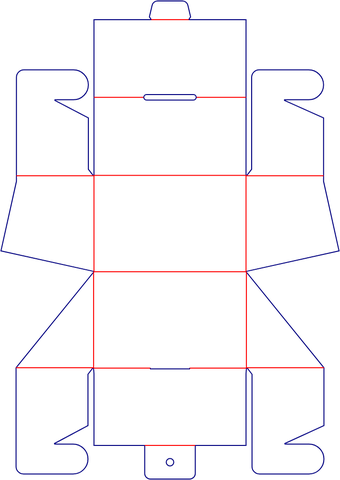 Dieline
Shaped box with interlocking detail. Review how the named locking detail overlaps the printed panels.
Explore this structure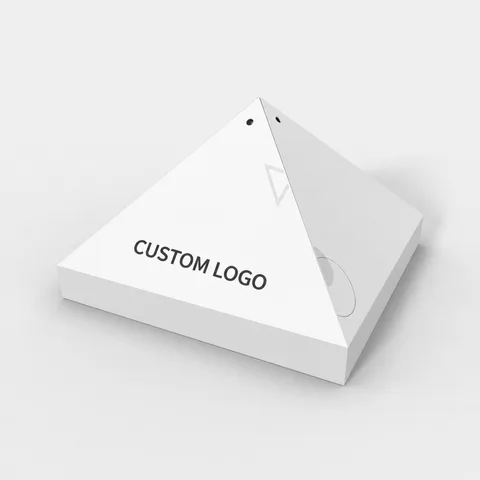 STYLE E61173
 Dieline
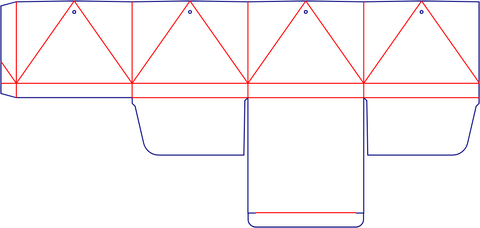
Pyramid or conical form with tapered outline. Measure the wider and narrower edges rather than relying on one nominal width.
Explore this structure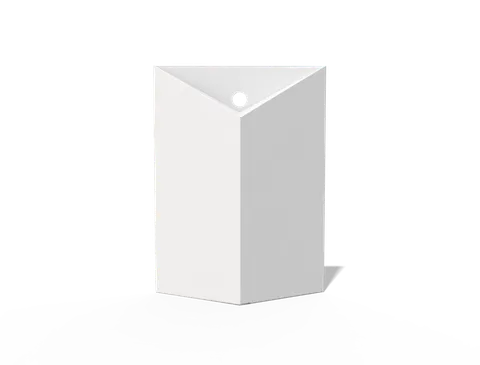 STYLE E61174
 Dieline
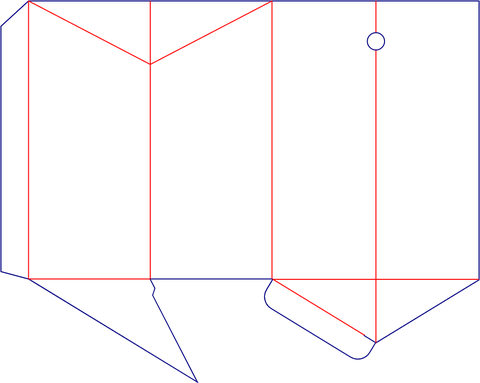
Triangular box. Specify a maximum envelope and confirm the cross-section and usable cavity separately.
Explore this structure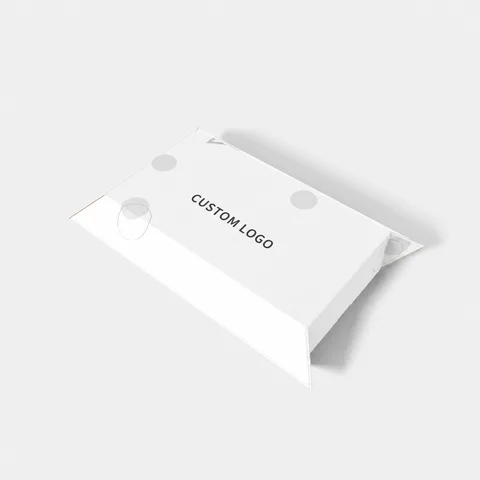 STYLE E61175
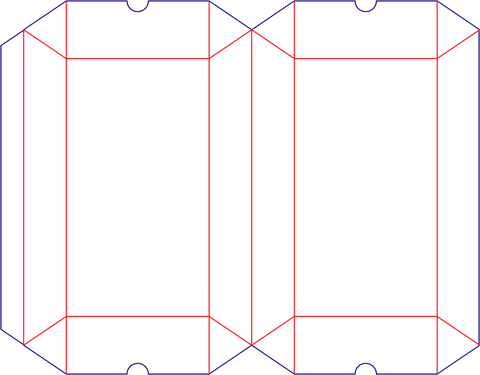 Dieline
Hexagonal box. State whether a width spans opposite faces or opposite corners; these are different measurements.
Explore this structure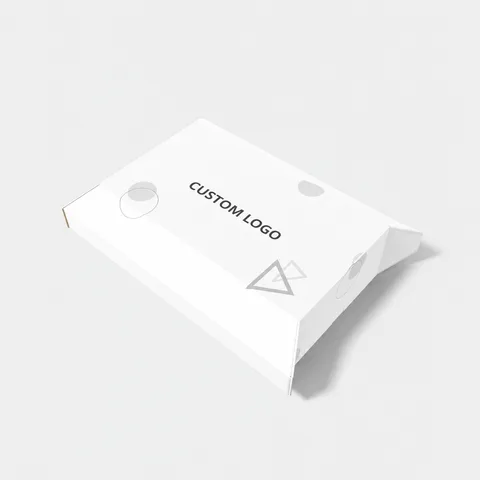 STYLE E61176
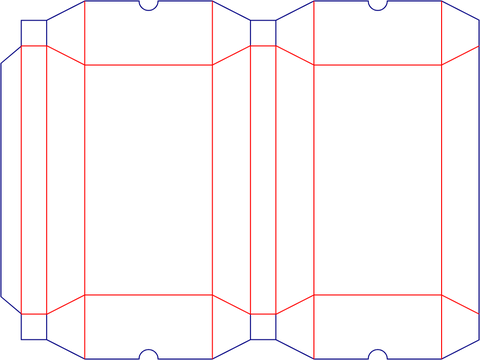 Dieline
Hexagonal box. State whether a width spans opposite faces or opposite corners; these are different measurements.
Explore this structureTry another name or style number, or browse all product types.
Compare the assembled reference with the flat structure.
Review dimensions, visible panels and artwork orientation.
Confirm the production dieline and sample before approval.