
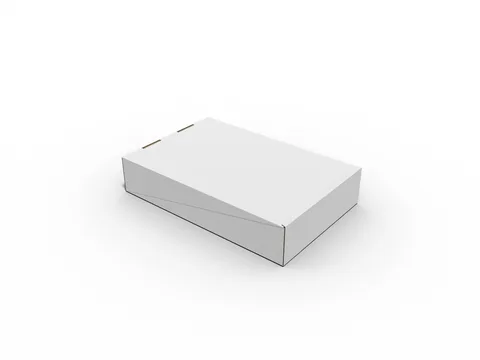
 STYLE E61081
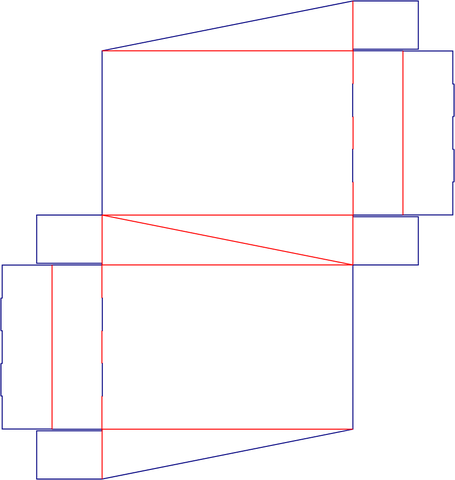 Dieline
Custom Triangular Boxes
Triangular box. Specify a maximum envelope and confirm the cross-section and usable cavity separately.
Explore this structure
STYLE E61081
Dieline
Triangular box. Specify a maximum envelope and confirm the cross-section and usable cavity separately.
Explore this structure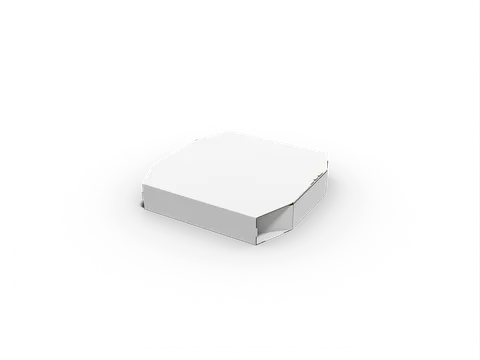 STYLE E61082
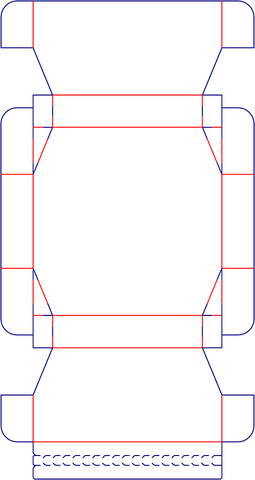 Dieline
Hexagonal hinged-lid box with tear strips. Keep the tear strip clear of essential artwork and check the opening path on a folded sample.
Explore this structure STYLE E61083
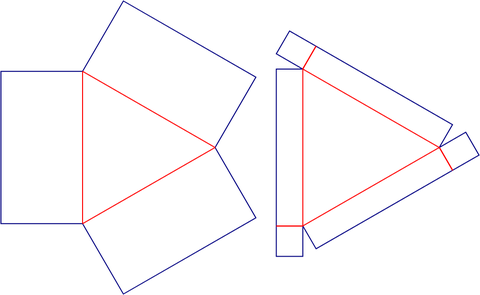 Dieline
Triangular lid-and-base box. Specify the lid overlap and base cavity separately.
Explore this structure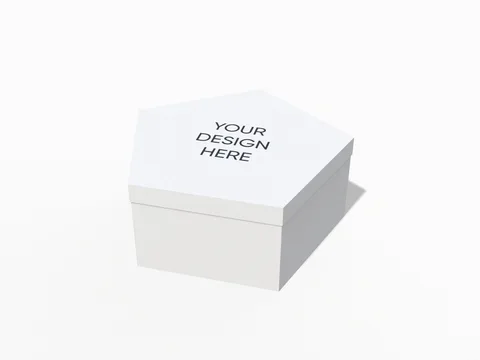 STYLE E61084
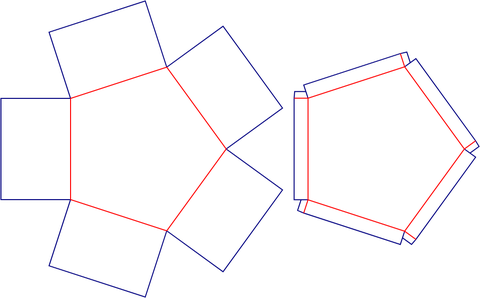 Dieline
Pentagon lid-and-base box. Specify the lid overlap and base cavity separately.
Explore this structure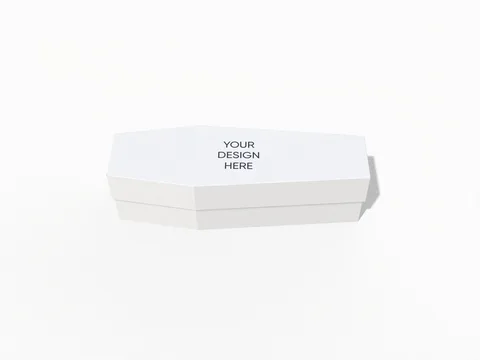 STYLE E61085
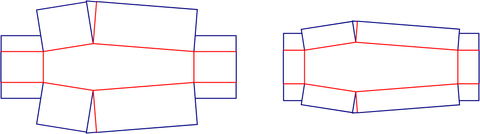 Dieline
Hexagonal lid-and-base box. Specify the lid overlap and base cavity separately.
Explore this structure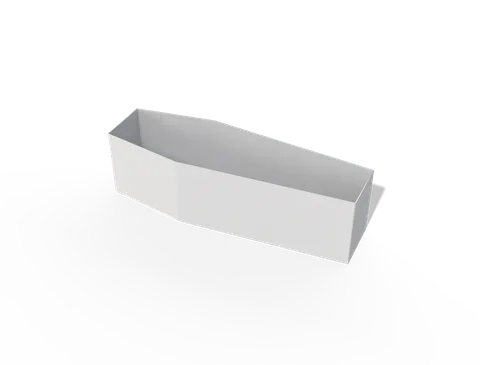 STYLE E61086
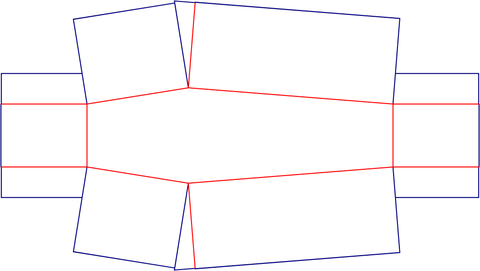 Dieline
Hexagonal tray. State whether width is measured across opposite faces or opposite corners.
Explore this structure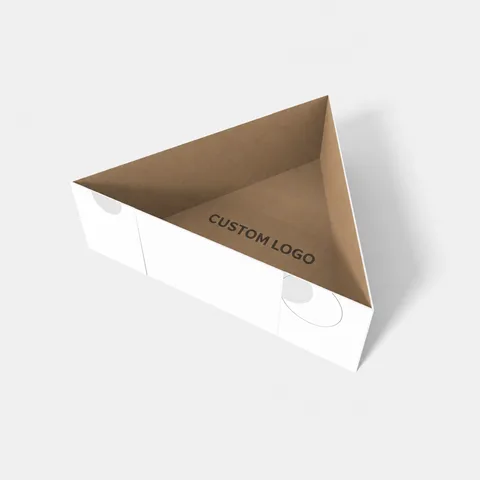 STYLE E61087
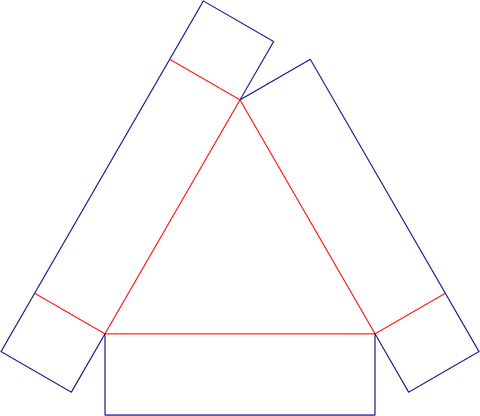 Dieline
Triangular tray. Specify the usable base and wall height separately from overlapping corner folds.
Explore this structure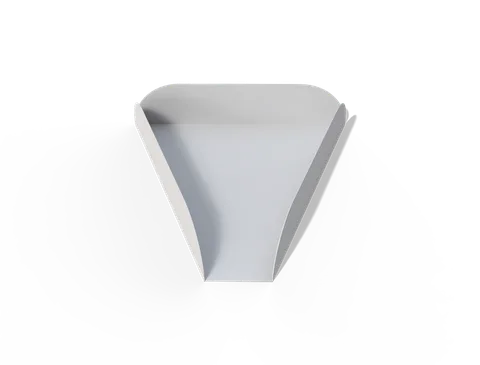 STYLE E61088
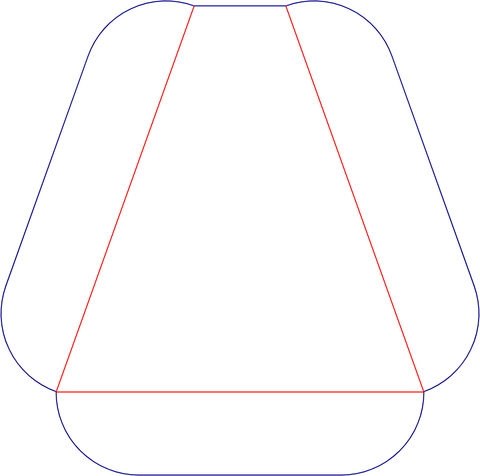 Dieline
Tapered tray. Specify the usable base and wall height separately from overlapping corner folds.
Explore this structure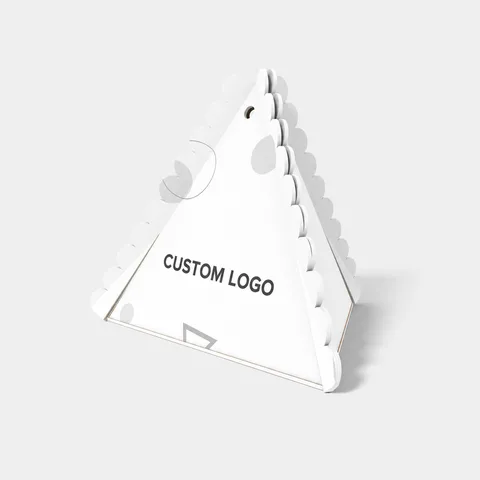 STYLE E61089
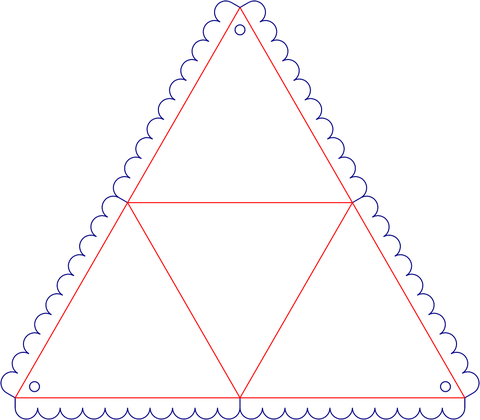 Dieline
Triangular pyramid box with scalloped edges. Specify the base envelope and full height; confirm how the taper limits the product cavity.
Explore this structure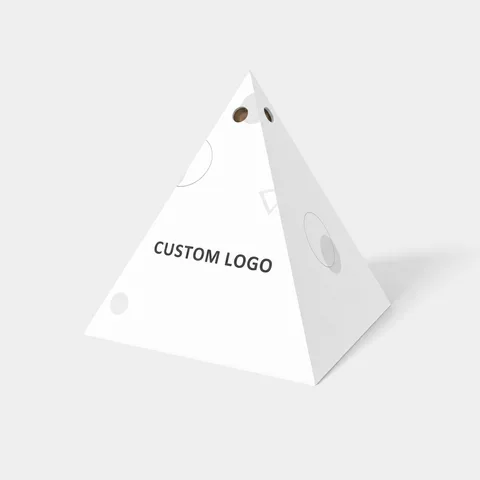 STYLE E61090
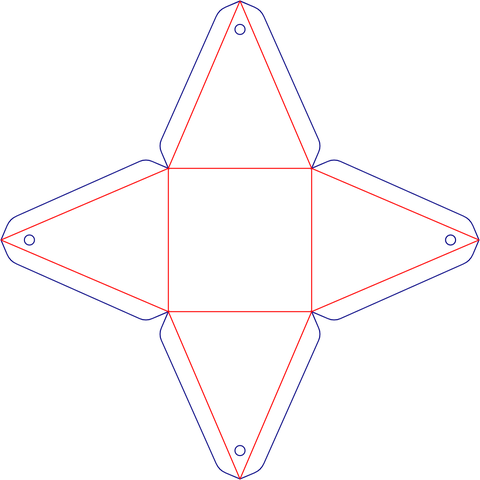 Dieline
Pyramid or conical form with tapered outline. Measure the wider and narrower edges rather than relying on one nominal width.
Explore this structure STYLE E61091
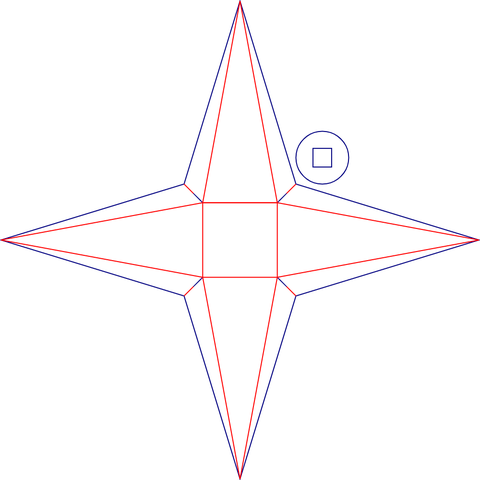 Dieline
Pyramid or conical form. Specify the base envelope and full height; confirm how the taper limits the product cavity.
Explore this structure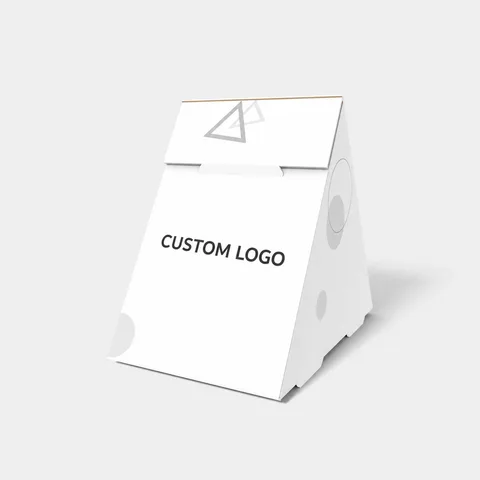 STYLE E61092
 Dieline
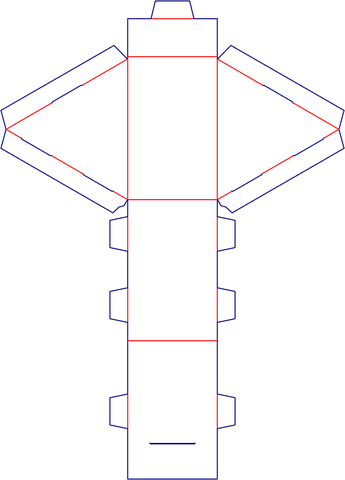
Triangular box. Specify a maximum envelope and confirm the cross-section and usable cavity separately.
Explore this structureTry another name or style number, or browse all product types.
Compare the assembled reference with the flat structure.
Review dimensions, visible panels and artwork orientation.
Confirm the production dieline and sample before approval.