
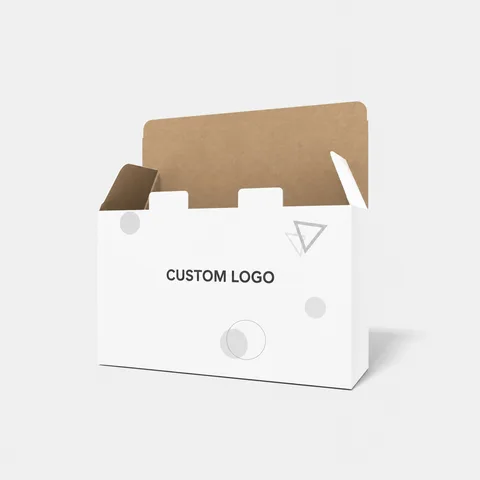
 STYLE E60109
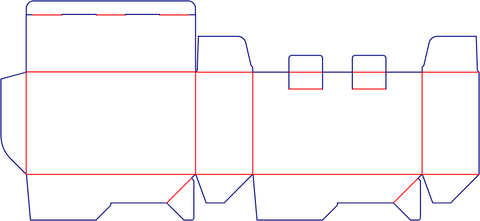 Dieline
Custom Tuck-End Cartons with Diagonal Base Folds
Tuck-end carton with two top tabs and diagonal fold lines on the broad bottom flaps.
Explore this structure
STYLE E60109
Dieline
Tuck-end carton with two top tabs and diagonal fold lines on the broad bottom flaps.
Explore this structure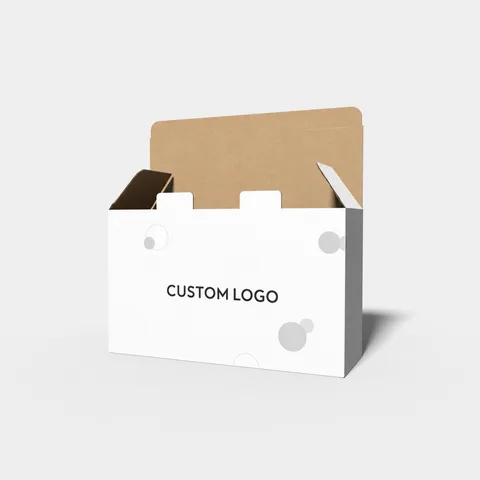 STYLE E60110
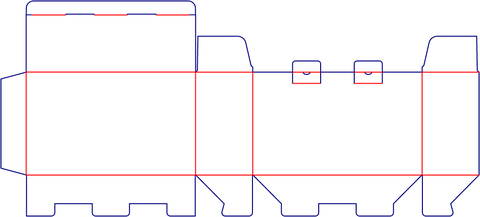 Dieline
Tuck-end carton with two top tabs and stepped rectangular notches along the bottom flap edges.
Explore this structure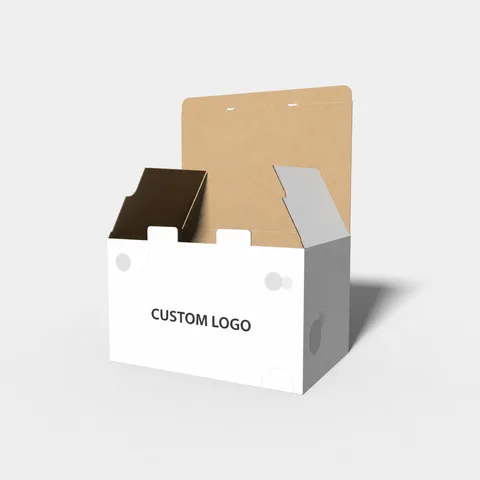 STYLE E60111
 Dieline
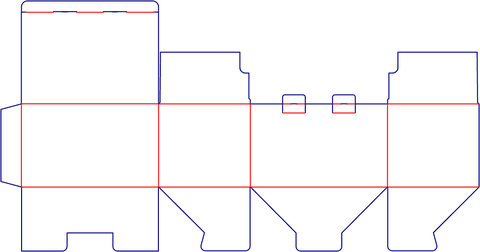
Auto-lock bottom carton with auto-lock base. Check the assembled base before finalising the usable cavity.
Explore this structure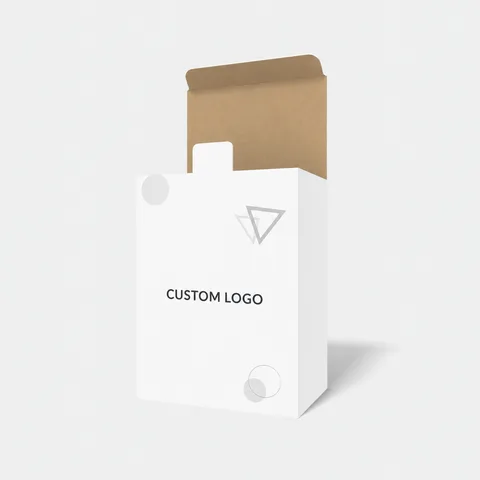 STYLE E60112
 Dieline
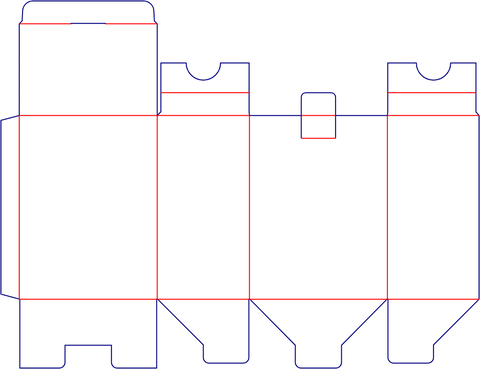
Tuck-end carton. Include closure clearance at the top and bottom of the packed product.
Explore this structure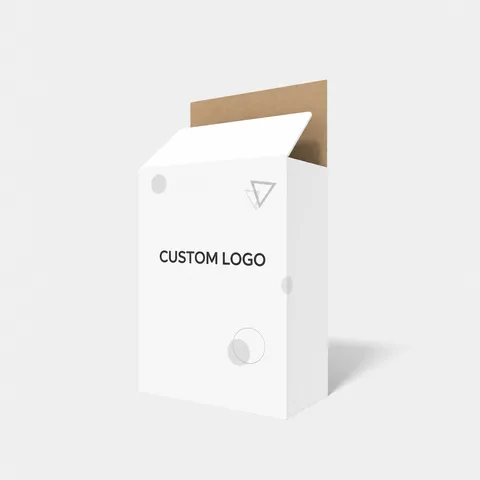 STYLE E60113
 Dieline
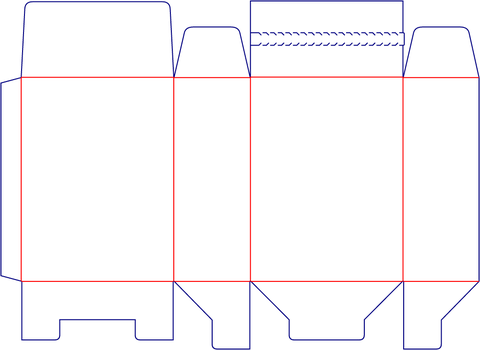
Tear-open folding carton. Confirm the usable cavity, base assembly, strip position and opening sequence on the assembled sample.
Explore this structure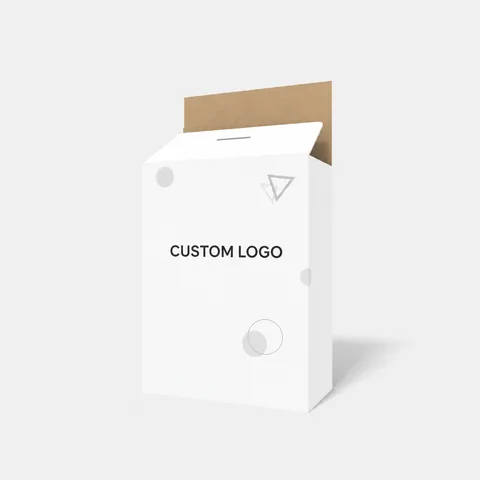 STYLE E60114
 Dieline
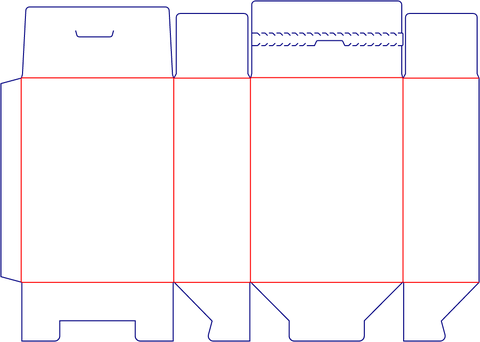
Tuck-end carton. Include closure clearance at the top and bottom of the packed product.
Explore this structure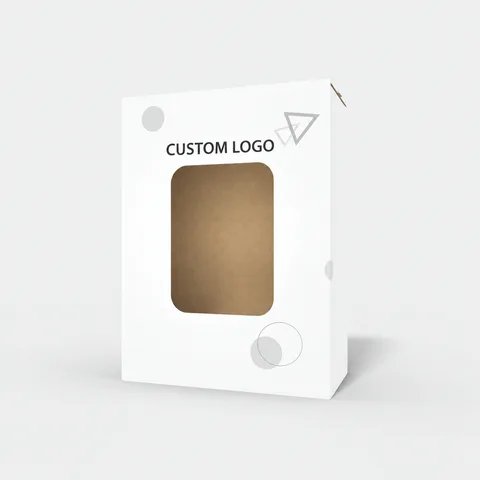 STYLE E60115
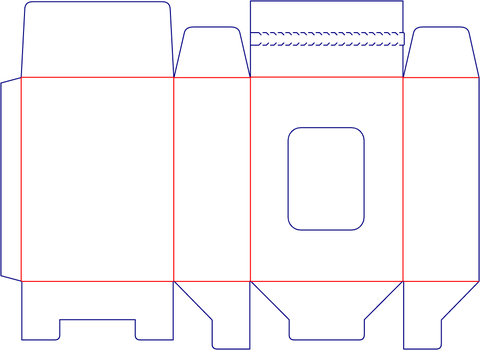 Dieline
Window carton with display opening. Check the product view through the opening before positioning the logo.
Explore this structure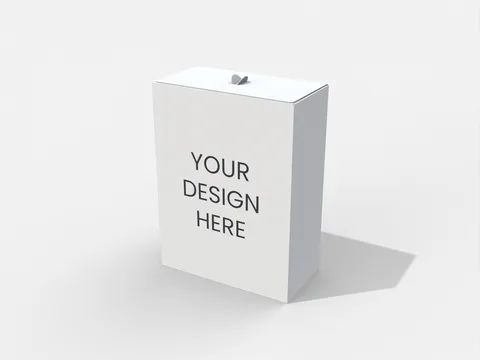 STYLE E60116
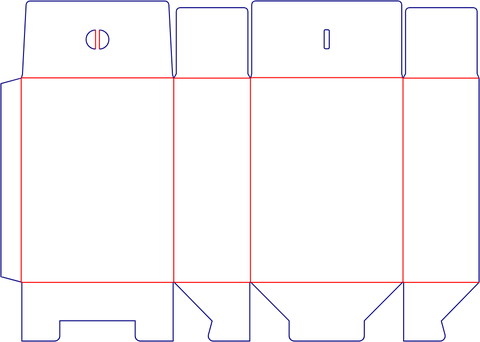 Dieline
Tuck-end carton. Include closure clearance at the top and bottom of the packed product.
Explore this structure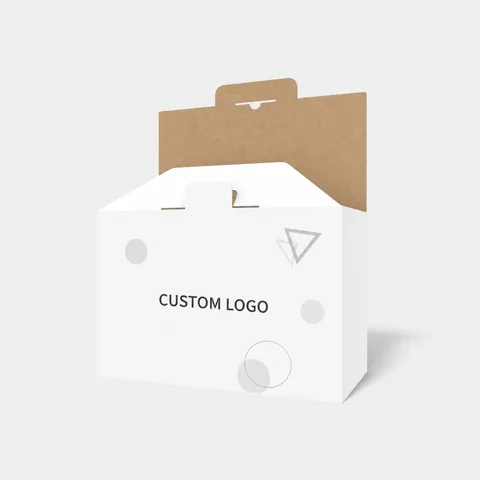 STYLE E60117
 Dieline
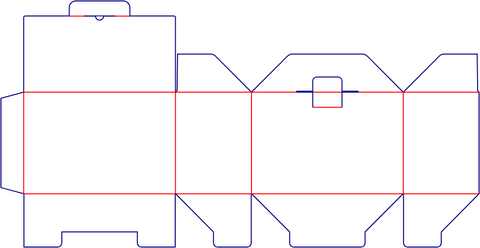
Tuck-end carton with locking tabs. Keep the locking tabs and their receiving cuts clear of essential text.
Explore this structure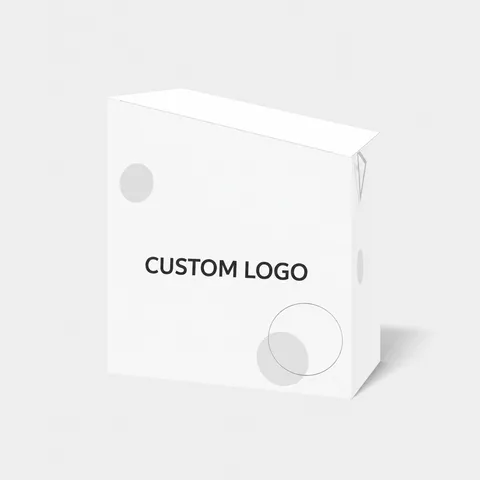 STYLE E60118
 Dieline
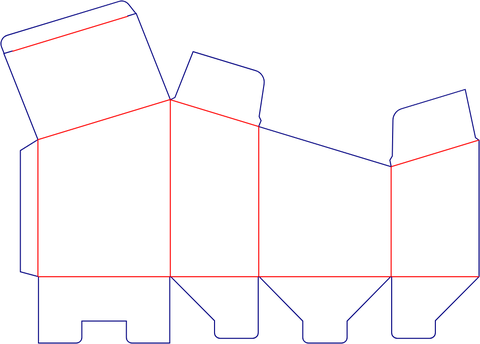
Tuck-end carton. Include closure clearance at the top and bottom of the packed product.
Explore this structure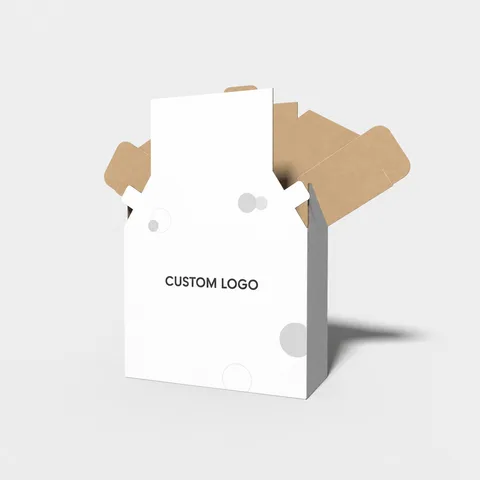 STYLE E60119
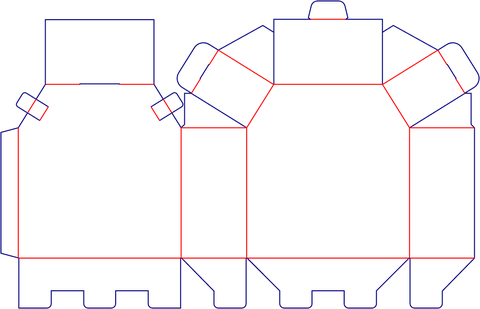 Dieline
Tuck-end carton with tapered outline. Measure the wider and narrower edges rather than relying on one nominal width.
Explore this structure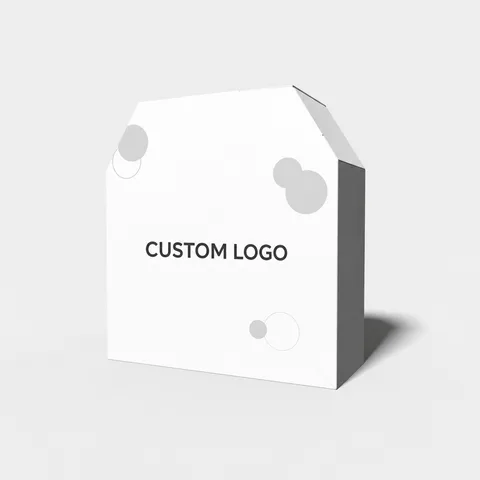 STYLE E60120
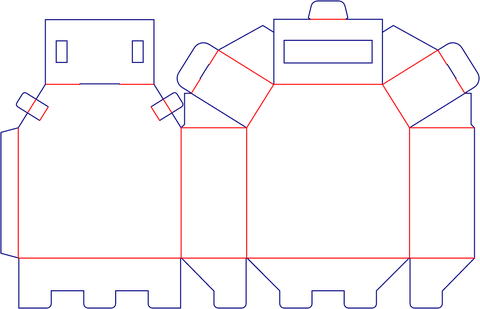 Dieline
Tuck-end carton with tapered outline. Measure the wider and narrower edges rather than relying on one nominal width.
Explore this structureTry another name or style number, or browse all product types.
Compare the assembled reference with the flat structure.
Review dimensions, visible panels and artwork orientation.
Confirm the production dieline and sample before approval.