
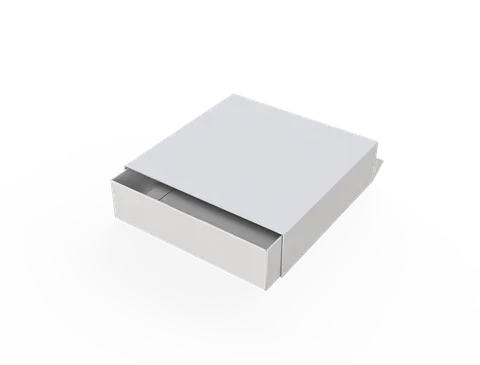
 STYLE E60757
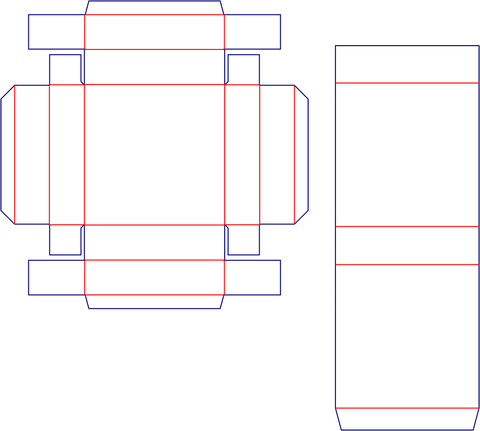 Dieline
Custom Drawer Boxes
Sliding drawer box. Specify the tray cavity and sleeve sliding fit separately; allow room to grasp the tray.
Explore this structure
STYLE E60757
Dieline
Sliding drawer box. Specify the tray cavity and sleeve sliding fit separately; allow room to grasp the tray.
Explore this structure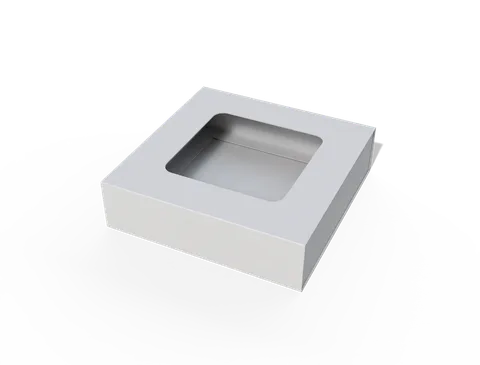 STYLE E60758
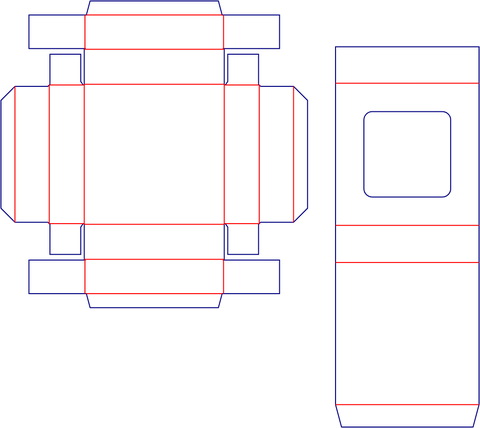 Dieline
Sliding drawer box with display opening. Check the product view through the opening before positioning the logo.
Explore this structure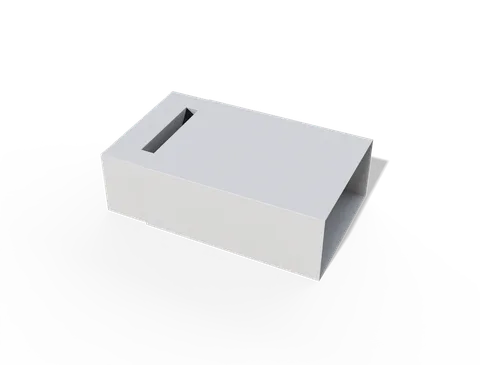 STYLE E60759
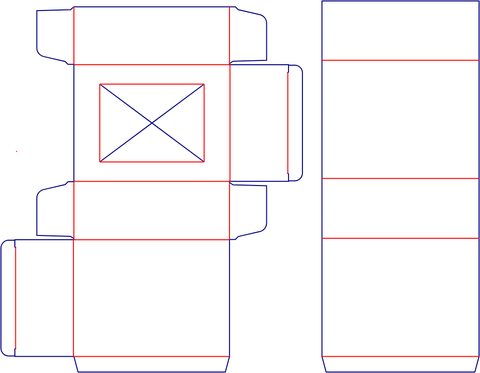 Dieline
Sliding drawer box. Specify the tray cavity and sleeve sliding fit separately; allow room to grasp the tray.
Explore this structure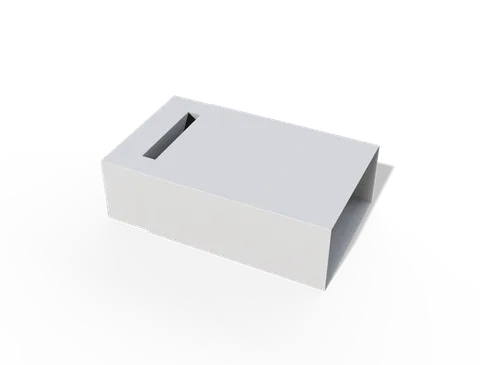 STYLE E60760
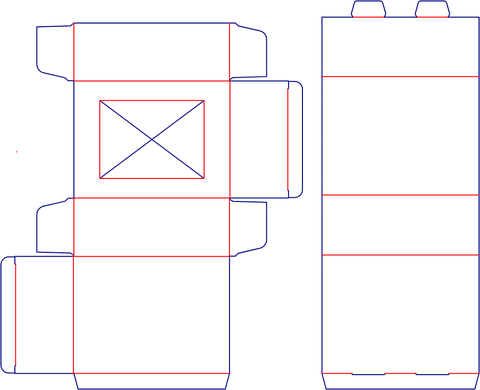 Dieline
Sliding drawer box. Specify the tray cavity and sleeve sliding fit separately; allow room to grasp the tray.
Explore this structure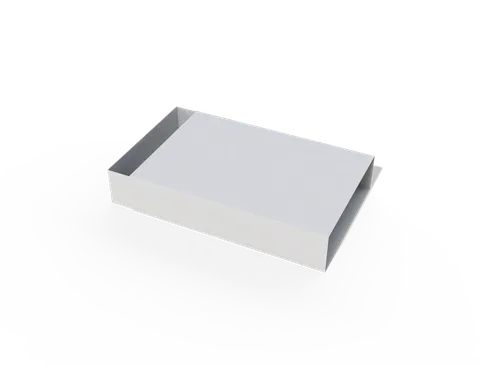 STYLE E60761
 Dieline
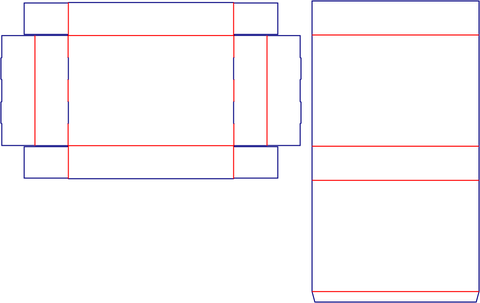
Sliding drawer box. Specify the tray cavity and sleeve sliding fit separately; allow room to grasp the tray.
Explore this structure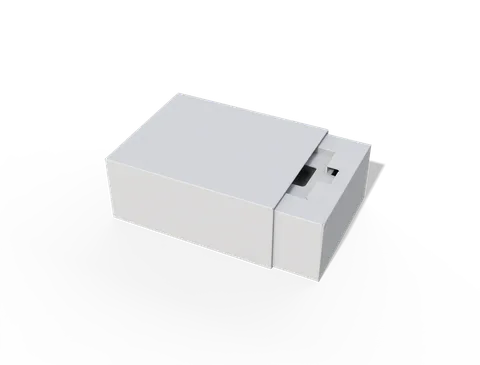 STYLE E60762
 Dieline
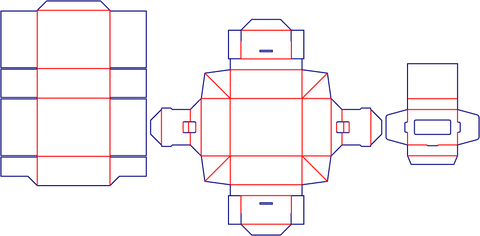
Drawer box with fitted inserts. Measure the usable cells or support openings as well as the outer cavity.
Explore this structure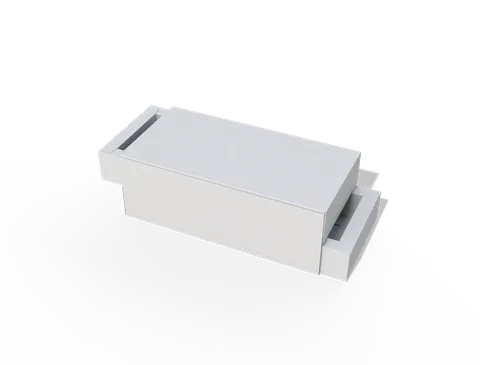 STYLE E60763
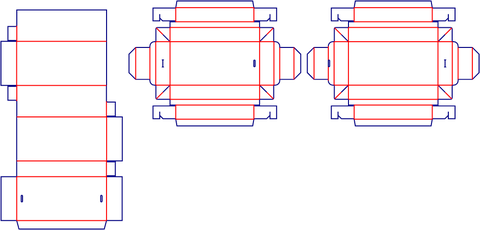 Dieline
Sliding drawer box with two-drawer arrangement. Plan the fit and artwork orientation of each drawer separately.
Explore this structure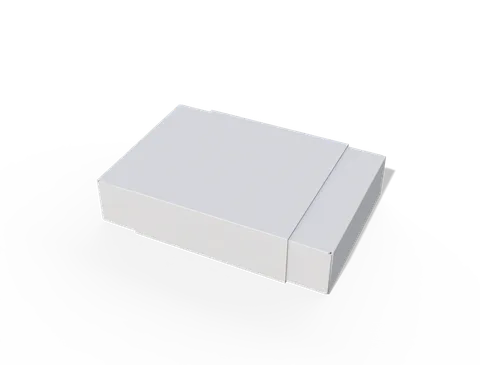 STYLE E60764
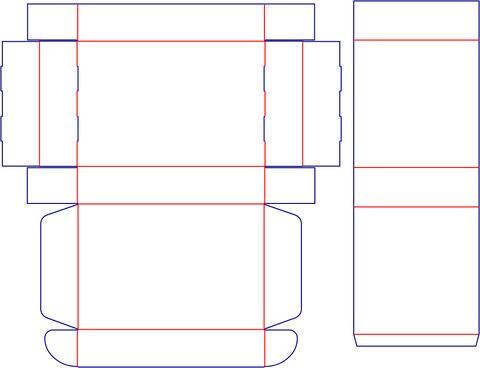 Dieline
Sleeved hinged-lid box. Measure the wrapped object itself and confirm overlap, board thickness and sliding clearance.
Explore this structure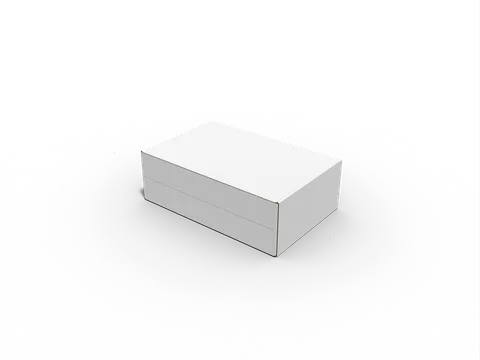 STYLE E60765
 Dieline
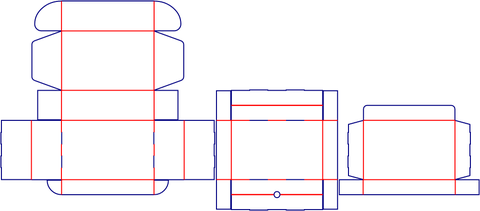
Sliding drawer box with two-drawer arrangement. Plan the fit and artwork orientation of each drawer separately.
Explore this structure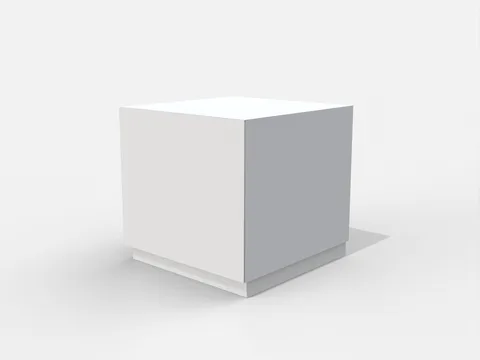 STYLE E60766
 Dieline
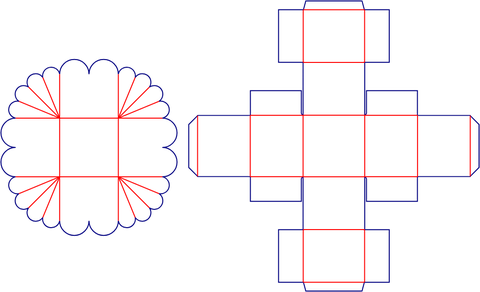
Sliding drawer box with square-format reference. Confirm which face is square and specify its finished dimensions.
Explore this structure STYLE E60767
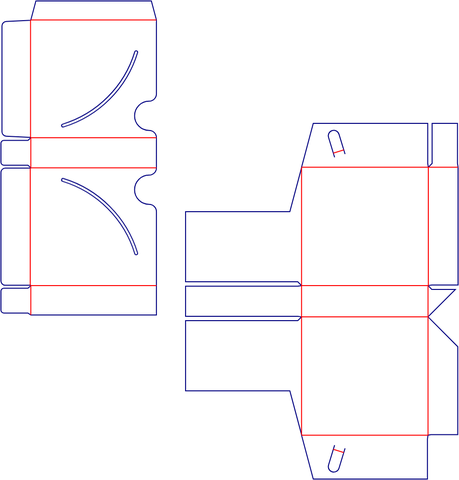 Dieline
Pivoting drawer box. Check the full pivoting sweep, curved track and access to the loaded compartment; do not use a straight sliding-fit allowance.
Explore this structure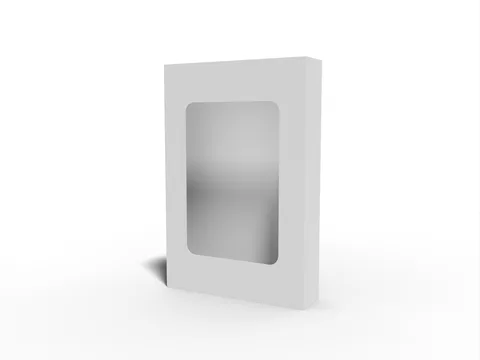 STYLE E60768
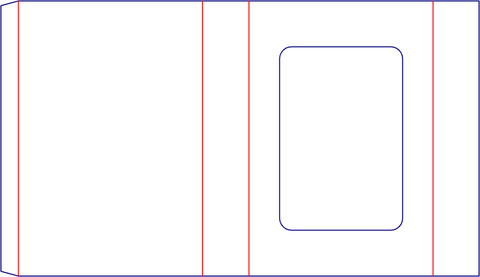 Dieline
Packaging sleeve with display opening. Check the product view through the opening before positioning the logo.
Explore this structureTry another name or style number, or browse all product types.
Compare the assembled reference with the flat structure.
Review dimensions, visible panels and artwork orientation.
Confirm the production dieline and sample before approval.