
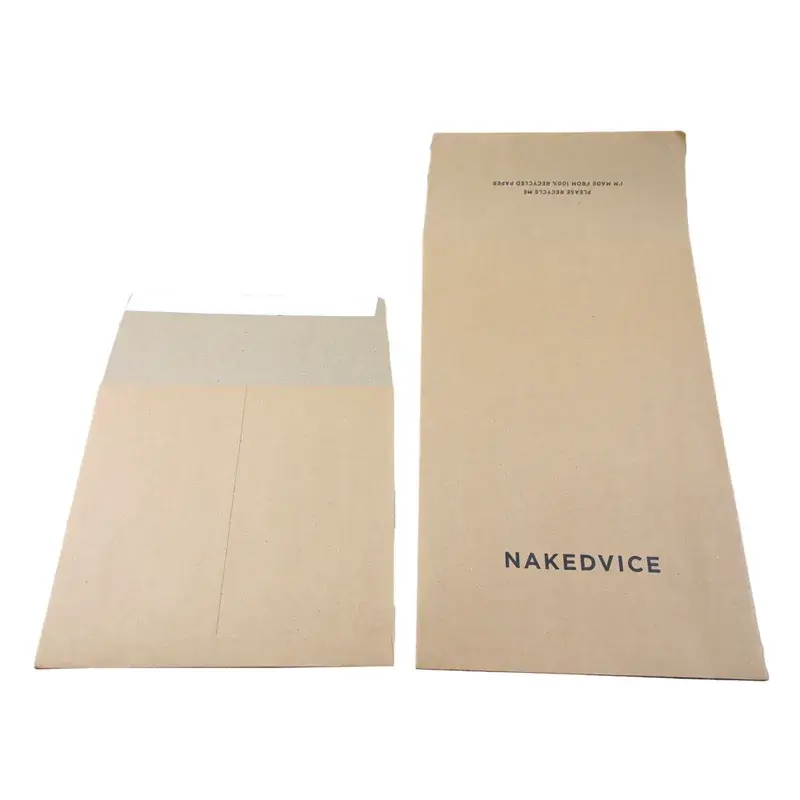
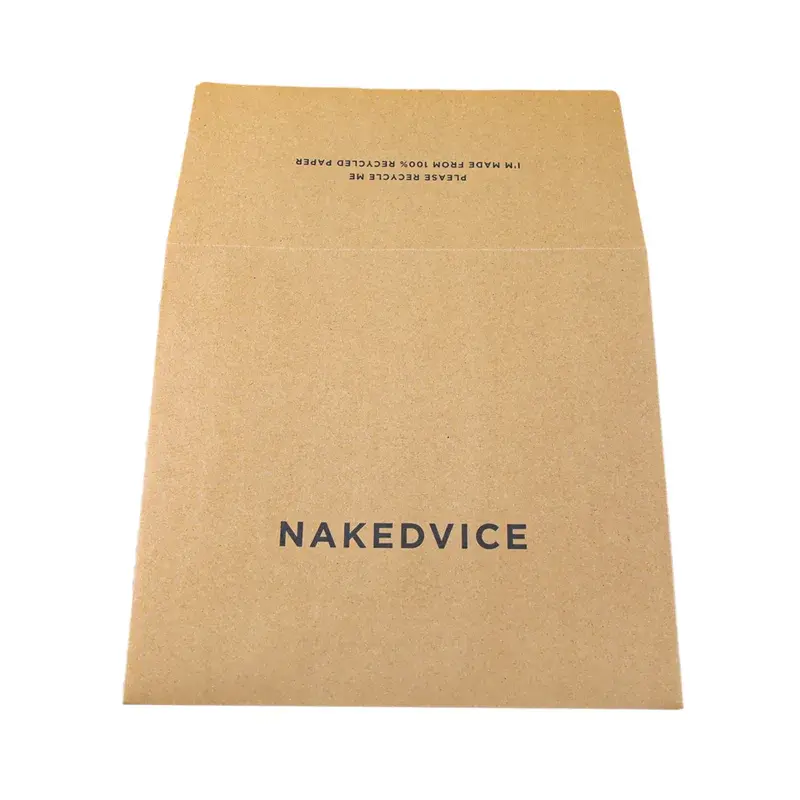
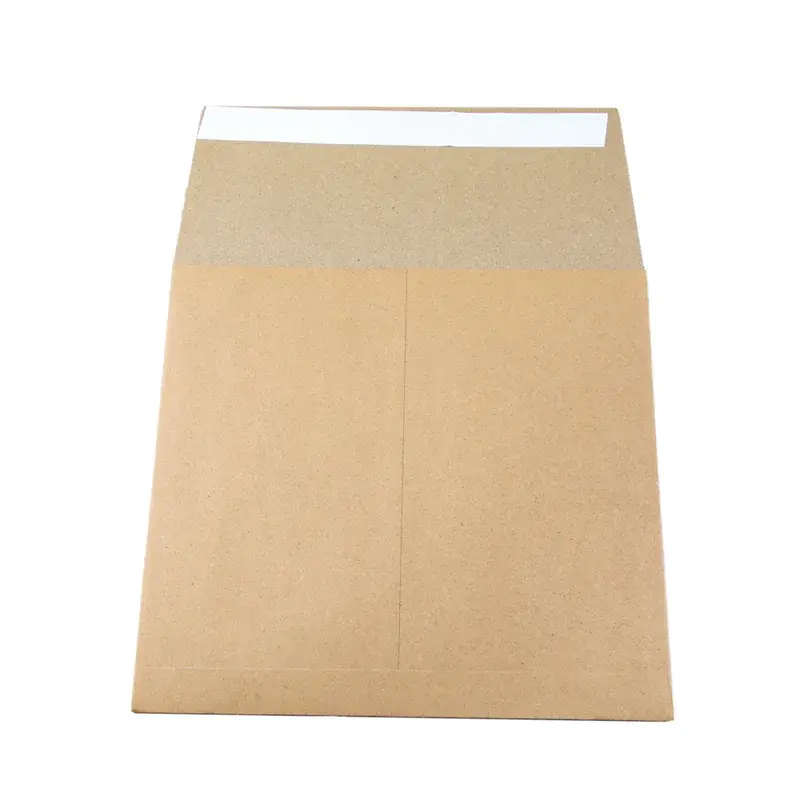
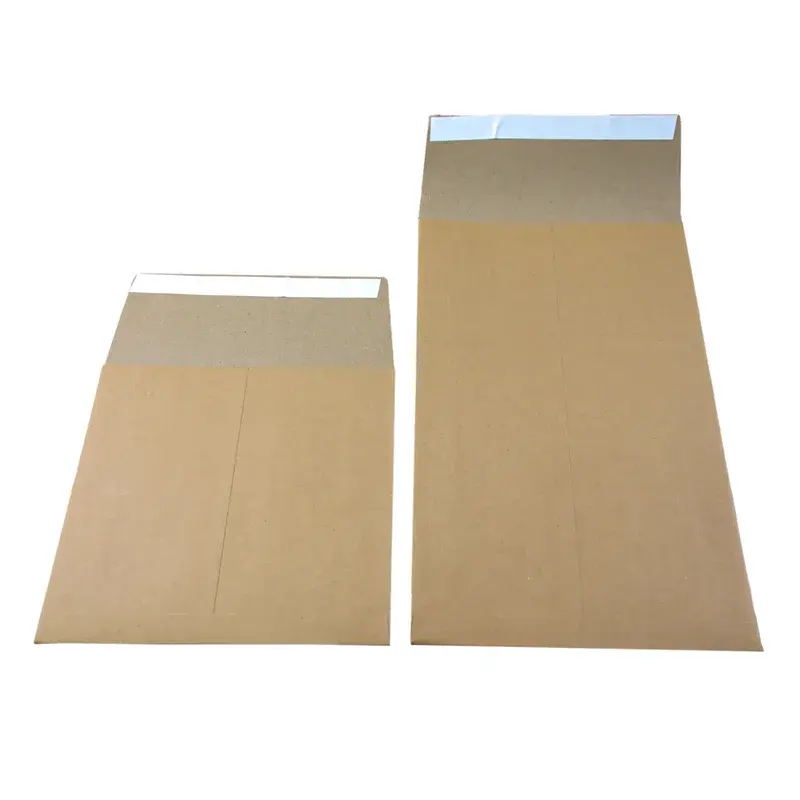
Custom Paper Mailers
Paper mailers provide a printable outer envelope for delivery. Seams, closure and the packed thickness must suit the product.
Standard MOQ: 500 pcs per style, size and artwork. Higher quantities may apply to special specifications. Sample timing and production timing are quoted for the project.
Specification for Paper Mailers
| Specification | Project input |
|---|---|
| Usable internal dimensions | State the space needed after seams, seals or flaps, including the product’s packed thickness. |
| Material construction | Identify the actual material and layers, then review closure and the required handling task. |
| Seal and flap allowance | Keep usable packing space separate from seal width, flap length and closing overlap. |
| Cushioning or stiffness | Describe the product surfaces and handling needs; compare the complete padded or rigid construction. |
| Packed thickness | Include wrapping, accessories and the item’s thickest point when checking closure. |
| Quantity | Quantity per style, size and artwork design. Standard MOQ is 500 pieces; higher quantities may apply. |
| Artwork | PDF, AI or CDR artwork where available; JPG/PNG references and Excel specifications can support the brief. Files are reviewed for their intended use. |
| Delivery | Destination, target date and whether packaging should arrive assembled or flat, where applicable. |
Envelope layers and cushioning
The quotation confirms the selected grade and compatible options.
| Material option | Specification and confirmation |
|---|---|
| Outer construction | Specify paper, film or board according to this mailer type. Provide the contents, contact surfaces and expected handling. |
| Protective layer | Where padding forms part of the mailer, identify the inner construction separately. Check the usable cavity after allowing for seams and padding. |
| Closure materials | Review the flap, adhesive and release liner together. Describe packing conditions and whether return use is part of the brief. |
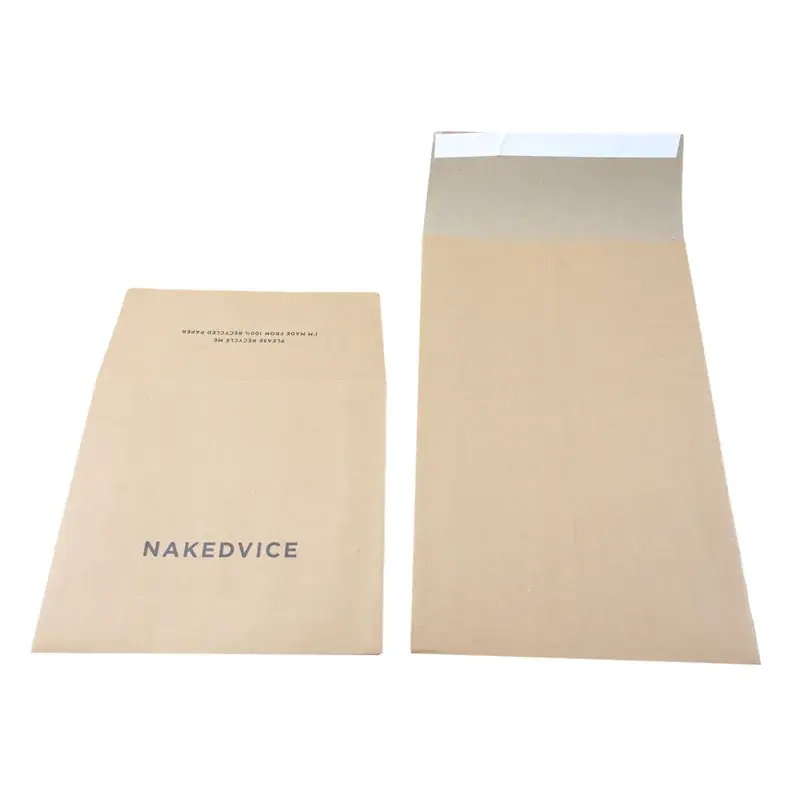
Contents thickness and seam allowance
Usable cavity, expansion needs and closing-flap allowance.
- Measurement reference: Give units and label product, internal or external dimensions. Include a drawing or reference sample if available.
- Multiple sizes: List quantities by size. A size change may require a revised structure, artwork or sample.
Paper surface and shipping details
Plan graphics around seams, the closure and the shipping-label position.
| Print preparation | Specification and confirmation |
|---|---|
| Print areas | Mark printed faces, unprinted areas, text and codes. The material and order requirements determine the printing method. |
| Colour reference | Provide CMYK artwork or a Pantone reference where available. Approve colour on the agreed material and sample; screen previews show layout. |
| Files and versions | Send PDF, AI or CDR artwork if available; JPG/PNG references and Excel specifications or data can support the brief. Files are reviewed before production. |
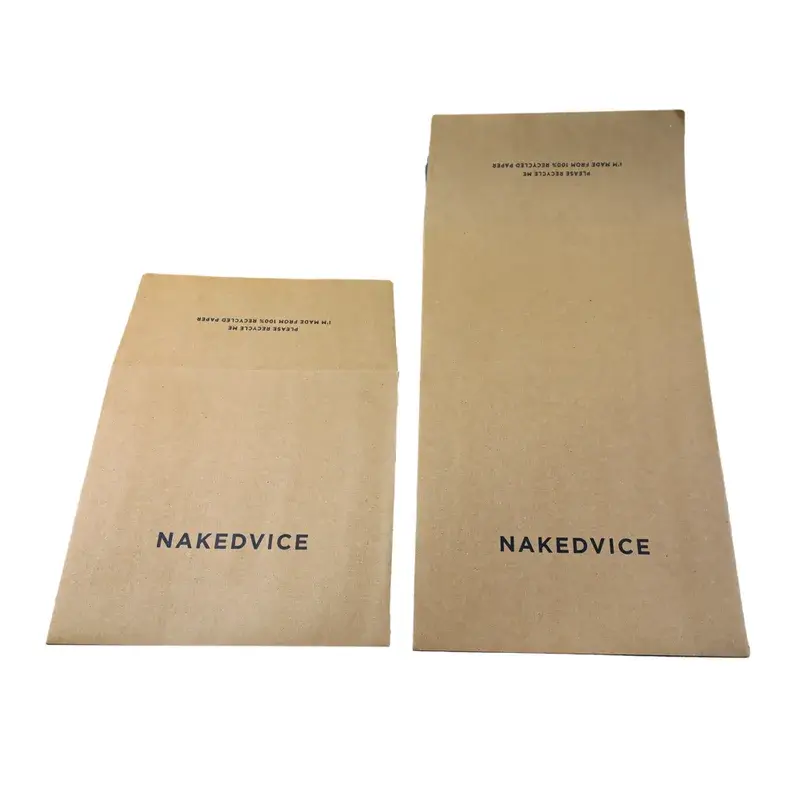
Exterior printing and surface options
Availability depends on the material, structure and intended use.
- Exterior branding: Position the brand graphics so the address label and closure do not cover them. Select colours against the actual outer material.
- Writable or labelled areas: Reserve a clear area for the shipping label, routing marks or packing notes. Review adhesion or writing on the proposed surface.
- Surface and contents visibility: Describe opacity, scuffing or moisture concerns as requirements for material review. Confirm the actual construction rather than relying on the print appearance.
Seals, opening and return options
Review fold edges, tear opening and the sealing area. An unpadded paper mailer should not be confused with a mailer containing a cushioning layer.
Choose the opening and closing arrangement with the product thickness and expected packing method.
- Working layout: Send a drawing, reference or actual product. Identify fixed requirements and options to compare.
- Supply and assembly: Confirm whether units are stacked or bundled, how flaps and liners are protected, and how operators identify each size at the packing station.
- Component matching: For a multi-part pack, list component sizes, assembly order and which parts the quotation includes.
Sample checks: seams, tear opening and closure
Load the item and inspect stress at corners and folds. Compare padded paper or rigid mailers when cushioning or bending resistance is central to the project.
- Structural sample: Check dimensions, assembly, fit and opening or application with the actual contents where relevant.
- Printed sample: Check print areas, colour and finish. Record any differences between the sample process and bulk production.
- Production reference: Approve the sample and artwork version before production. Recheck affected parts after changes to dimensions, materials or functional components.
Sample fees, shipping and timing are quoted per project. A visual proof cannot replace physical checks.
Quotation, approval and production
Confirm the brief and quotation
Agree quantities by size and artwork, materials, printing, finishes, components, and any tooling or assembly charges.
Approve samples and files
Record the approved sample and artwork. Scheduling follows the required sample, artwork, deposit and order confirmations.
Produce and inspect
Agree inspection methods and acceptance criteria for materials, dimensions, print, appearance and relevant assembly or fit.
Pack and deliver
Production and transit times are assessed separately. Confirm the destination, transport arrangement and delivery responsibilities.
Related packaging options
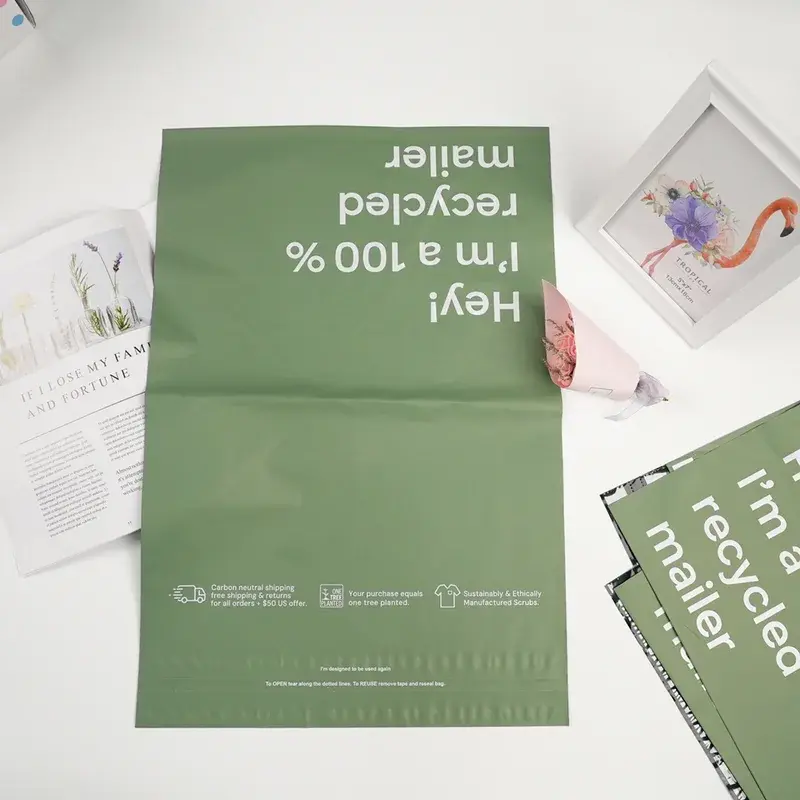
Custom Poly Mailers
Flexible poly mailers fit closely around soft or already protected goods. Film structure, usable size and adhesive flap form the main specification.
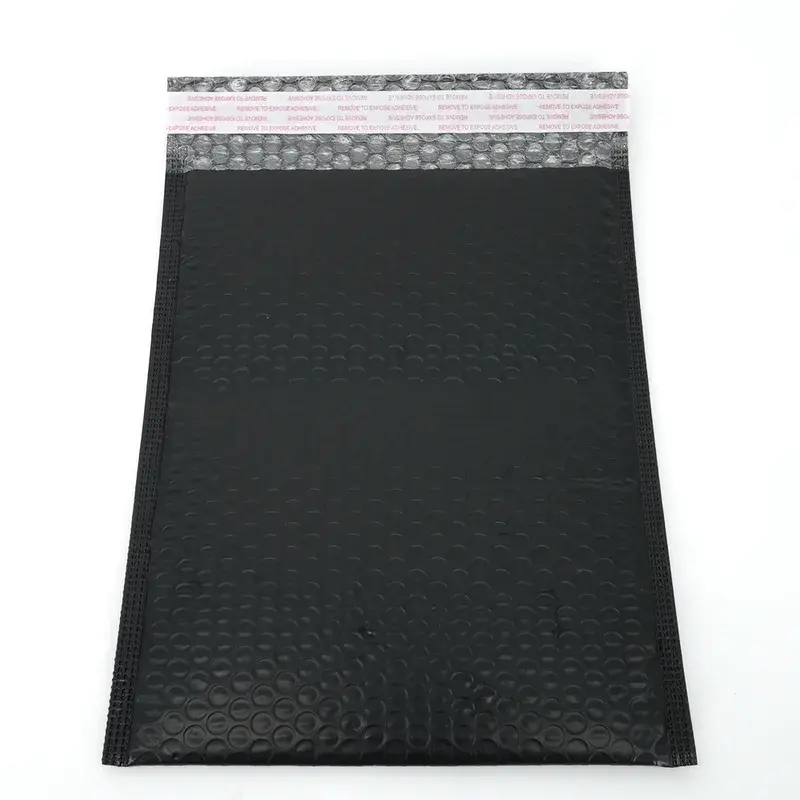
Custom Bubble Mailers
Bubble mailers combine an outer envelope with a cushioning lining. The internal opening and packed thickness determine usable capacity.
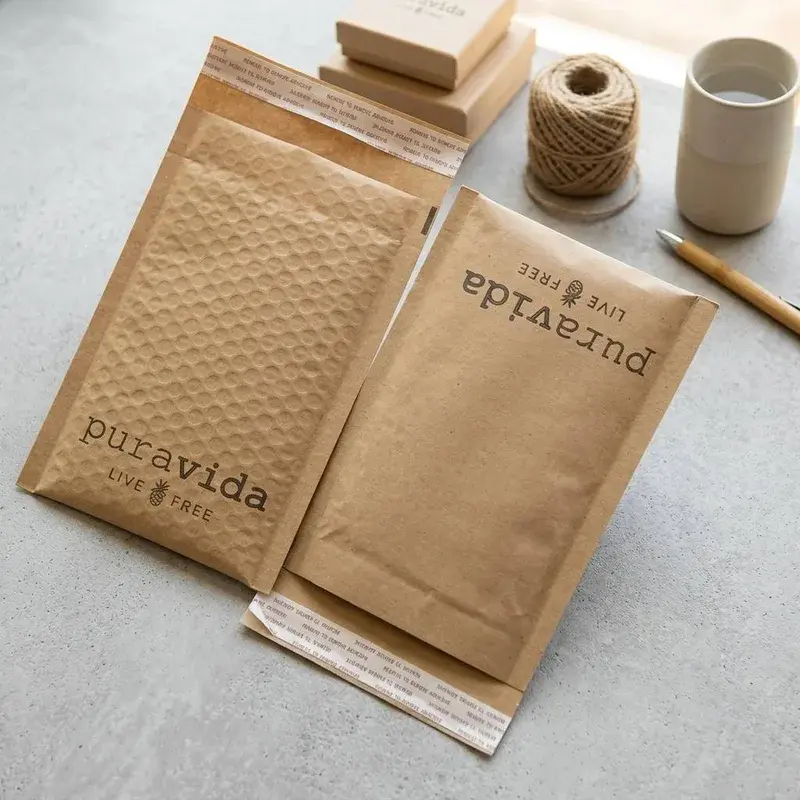
Custom Padded Paper Mailers
Paper-based padding cushions the contents within the mailing envelope. The cushion and seams are assessed around the packed product.
Compare Paper Mailers with related formats
| Option | When to consider it |
|---|---|
| Custom Paper Mailers | A paper mailing envelope suits an item whose surface and shape can tolerate the selected construction. |
| Custom Poly Mailers | Use a flexible mailing envelope where the item has suitable protection and does not require a rigid outer wall. |
| Custom Bubble Mailers | A bubble lining adds a cushioning layer within a mailing envelope. |
Request pricing for paper mailers
Send your product details, measurements, quantity per version and artwork direction to info@elevapack.com. Include the destination and any material, finish or assembly requirement you want us to review.
Custom Paper Mailers FAQ
No. Review fold edges, tear opening and the sealing area. An unpadded paper mailer should not be confused with a mailer containing a cushioning layer.
Load the item and inspect stress at corners and folds. Compare padded paper or rigid mailers when cushioning or bending resistance is central to the project.
Specify usable cavity, expansion needs and closing-flap allowance. Plan graphics around seams, the closure and the shipping-label position. Compatible materials and finishes are confirmed in the quotation.
The standard MOQ is 500 pcs per style, size and artwork. Special materials, constructions or multi-component sets may require more. Combined orders are assessed individually; the quotation confirms the applicable quantities.