
Custom Tissue Paper
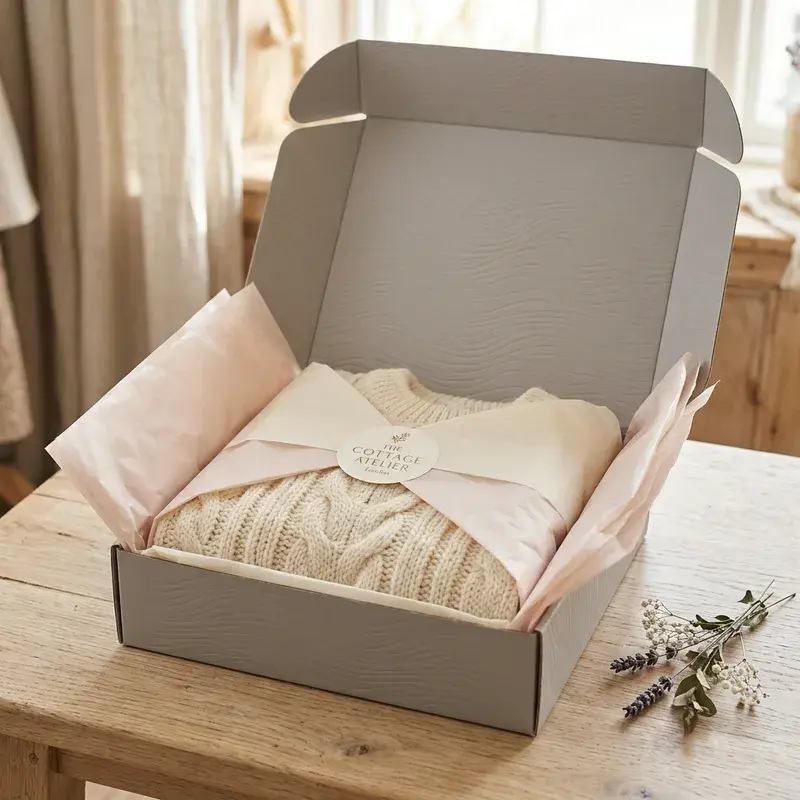
Lightweight printed tissue wraps, separates or presents products inside another pack. Sheet size and repeated artwork are planned around the packing sequence.
Standard MOQ: 500 pcs per style, size and artwork. Higher quantities may apply to special specifications. Sample timing and production timing are quoted for the project.
Specification for Tissue Paper
| Specification | Project input |
|---|---|
| Sheet or roll dimensions | Give finished width, length or repeat and the way the material is dispensed. |
| Paper or backing grade | Identify the substrate and relevant surface treatment for wrapping, printing or sealing. |
| Print repeat | Provide motif spacing, orientation and how the repeat should appear on the finished pack. |
| Adhesive or contact requirements | Identify what touches the product and which surfaces must bond, release or remain clean. |
| Packing and storage conditions | Describe dispensing, handling and storage so the material is reviewed for its actual use. |
| Quantity | Quantity per style, size and artwork design. Standard MOQ is 500 pieces; higher quantities may apply. |
| Artwork | PDF, AI or CDR artwork where available; JPG/PNG references and Excel specifications can support the brief. Files are reviewed for their intended use. |
| Delivery | Destination, target date and whether packaging should arrive assembled or flat, where applicable. |
Paper, backing and contact requirements
The quotation confirms the selected grade and compatible options.
| Material option | Specification and confirmation |
|---|---|
| Paper grade | Choose the paper around wrapping, folding and the desired appearance. Specify whether the paper touches the product directly. |
| Paper colour and opacity | Review the visual effect over the actual contents. A white, natural or coloured appearance can change the way repeated graphics are perceived. |
| Surface treatment | Identify handling or contact requirements before choosing a treatment. Confirm compatibility with the paper and print process. |
Sheet size and wrapping sequence
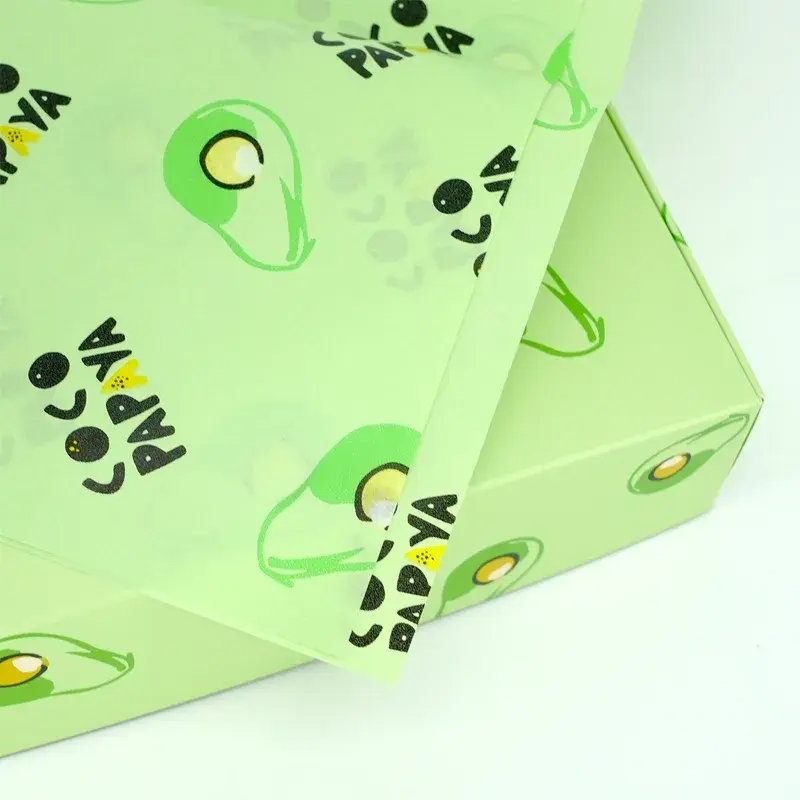
Sheet dimensions and the amount needed for overlap and folding around the product.
- Measurement reference: Give units and label product, internal or external dimensions. Include a drawing or reference sample if available.
- Multiple sizes: List quantities by size. A size change may require a revised structure, artwork or sample.
Print coverage and pattern repeat
Choose logo scale, repeat spacing and direction for the wrapped presentation.
| Print preparation | Specification and confirmation |
|---|---|
| Print areas | Mark printed faces, unprinted areas, text and codes. The material and order requirements determine the printing method. |
| Colour reference | Provide CMYK artwork or a Pantone reference where available. Approve colour on the agreed material and sample; screen previews show layout. |
| Files and versions | Send PDF, AI or CDR artwork if available; JPG/PNG references and Excel specifications or data can support the brief. Files are reviewed before production. |
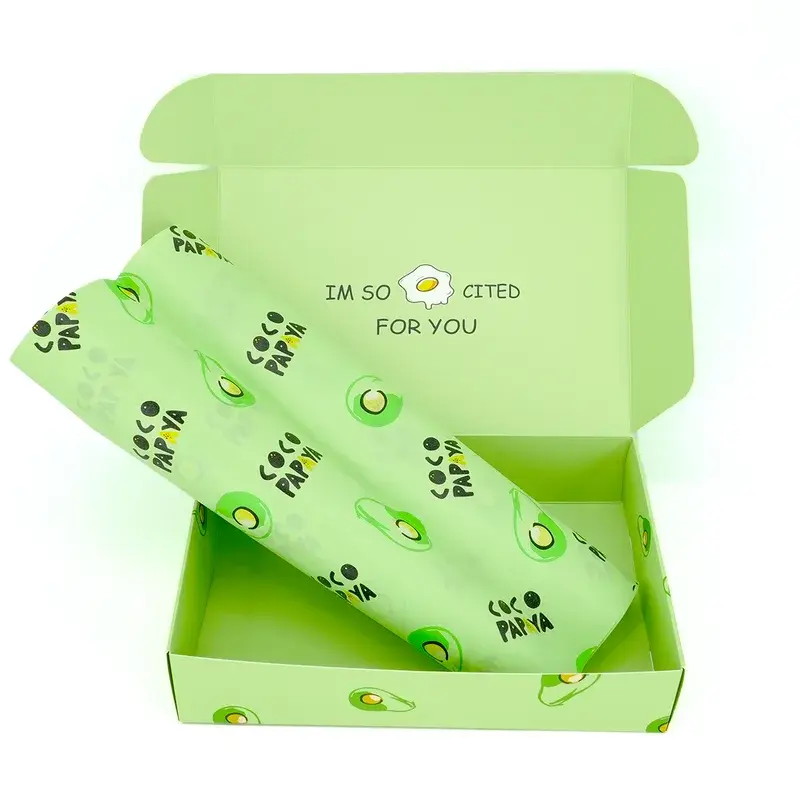
Printed surface and pattern options
Availability depends on the material, structure and intended use.
- Repeated logo or pattern: Choose the repeat spacing and direction around the way the paper will be folded. Review a wrapped example.
- Printed or plain areas: Decide which portions of the sheet need decoration and which should remain clear. Account for overlap and hidden folds.
- Surface feel and handling: Describe the preferred feel and folding behaviour. Confirm the selected paper and any treatment on the actual application.
Sheet, roll and packing format
Set the sheet size around the wrapping fold and select print coverage with the paper. The required appearance may differ when tissue is viewed flat or layered.
Specify flat sheets or the required preparation for packing; review handling and any contact with delicate product surfaces.
- Working layout: Send a drawing, reference or actual product. Identify fixed requirements and options to compare.
- Supply and assembly: State sheet or roll supply, pack counts and the direction in which the material will be dispensed or unwrapped.
- Component matching: For a multi-part pack, list component sizes, assembly order and which parts the quotation includes.
Sample checks: wrapping folds and layered appearance
Wrap the item and inspect creases, visibility and transfer to contact surfaces. Direct food-contact use requires a separate material and printing review.
- Structural sample: Check dimensions, assembly, fit and opening or application with the actual contents where relevant.
- Printed sample: Check print areas, colour and finish. Record any differences between the sample process and bulk production.
- Production reference: Approve the sample and artwork version before production. Recheck affected parts after changes to dimensions, materials or functional components.
Sample fees, shipping and timing are quoted per project. A visual proof cannot replace physical checks.
Quotation, approval and production
Confirm the brief and quotation
Agree quantities by size and artwork, materials, printing, finishes, components, and any tooling or assembly charges.
Approve samples and files
Record the approved sample and artwork. Scheduling follows the required sample, artwork, deposit and order confirmations.
Produce and inspect
Agree inspection methods and acceptance criteria for materials, dimensions, print, appearance and relevant assembly or fit.
Pack and deliver
Production and transit times are assessed separately. Confirm the destination, transport arrangement and delivery responsibilities.
Related packaging options
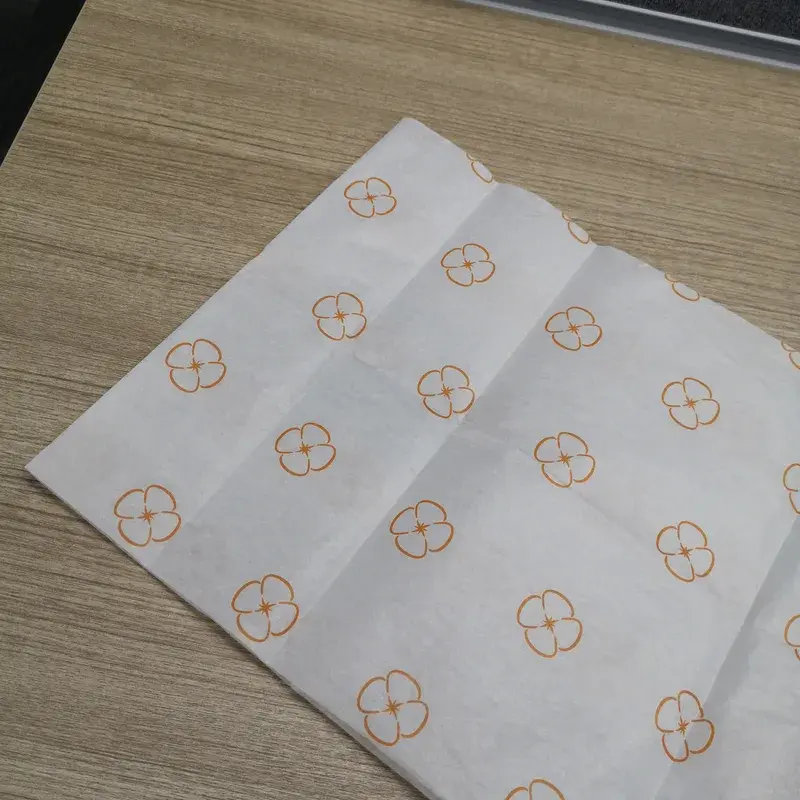
Custom Gift Wrapping Paper
Printed gift wrap covers products or boxes with a coordinated design. Sheet or roll supply is chosen around the wrapping operation.
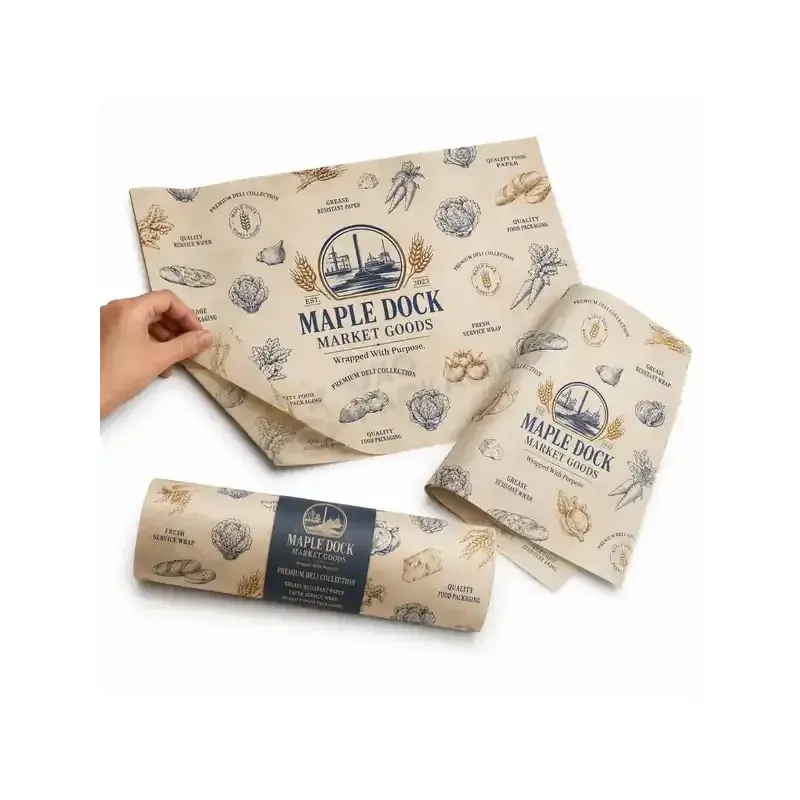
Custom Food Wrapping Paper
Food wrapping paper is specified for the food, contact conditions and handling process. The paper construction is considered before the printed presentation.
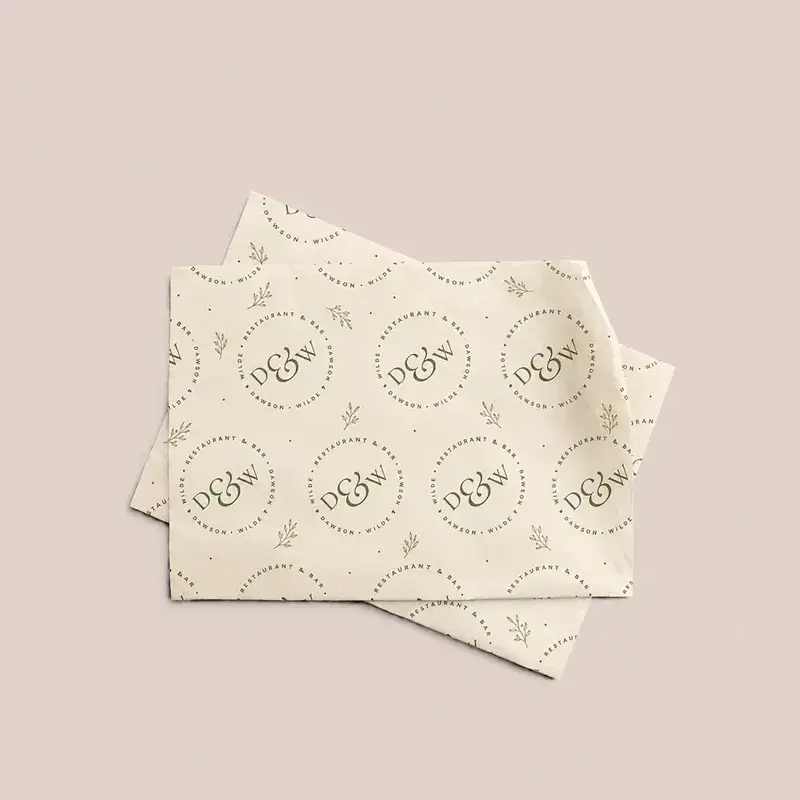
Custom Greaseproof Paper
Greaseproof paper is selected for applications where grease contact matters. The required behaviour depends on the food and use conditions.
Compare Tissue Paper with related formats
| Option | When to consider it |
|---|---|
| Custom Tissue Paper | Use thin printed tissue to wrap, separate or line products within an outer pack. |
| Custom Gift Wrapping Paper | Choose a wrapping sheet or roll around the gift size and the intended folding method. |
| Custom Food Wrapping Paper | Specify wrapping paper around the actual food and the conditions of direct contact. |
Request pricing for tissue paper
Send your product details, measurements, quantity per version and artwork direction to info@elevapack.com. Include the destination and any material, finish or assembly requirement you want us to review.
Custom Tissue Paper FAQ
Set the sheet size around the wrapping fold and select print coverage with the paper. The required appearance may differ when tissue is viewed flat or layered.
Wrap the item and inspect creases, visibility and transfer to contact surfaces. Direct food-contact use requires a separate material and printing review.
Specify sheet dimensions and the amount needed for overlap and folding around the product. Choose logo scale, repeat spacing and direction for the wrapped presentation. Compatible materials and finishes are confirmed in the quotation.
The standard MOQ is 500 pcs per style, size and artwork. Special materials, constructions or multi-component sets may require more. Combined orders are assessed individually; the quotation confirms the applicable quantities. For sheets or rolls, confirm the supply unit and quantity basis.